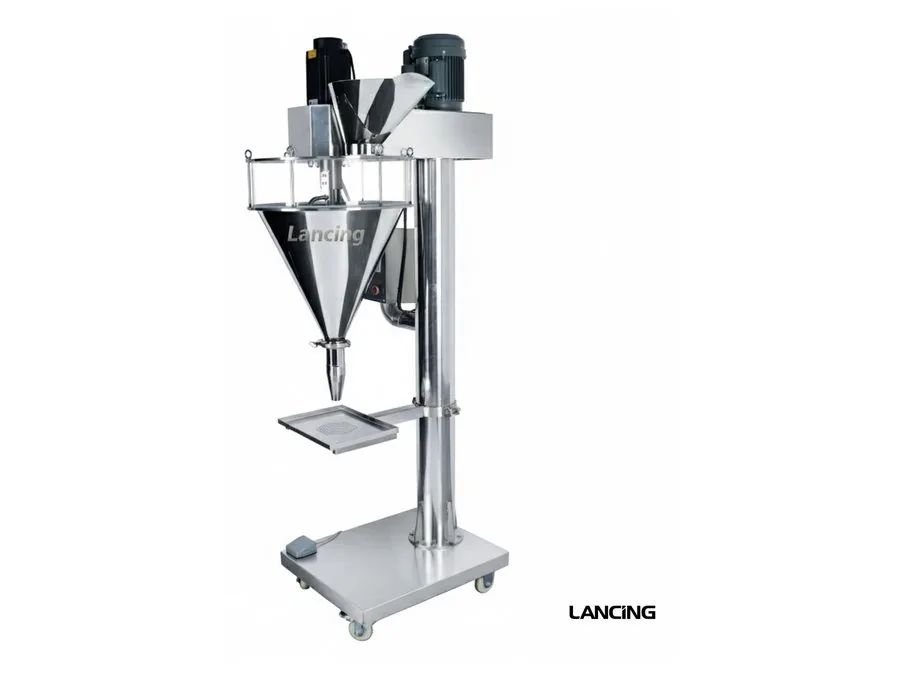
Semi-automatic auger fillers
A practical option for smaller batches, trials, short runs and growing production where repeatable powder dosing is needed without a fully automated line.
View detailsGet practical support around powder filling machinery, line layout, installation planning and aftercare.
An auger filler project often touches product feed, container handling, capping, sealing, labelling and inspection. The filler should be scoped in context from the first discussion.
A practical option for smaller batches, trials, short runs and growing production where repeatable powder dosing is needed without a fully automated line.
View details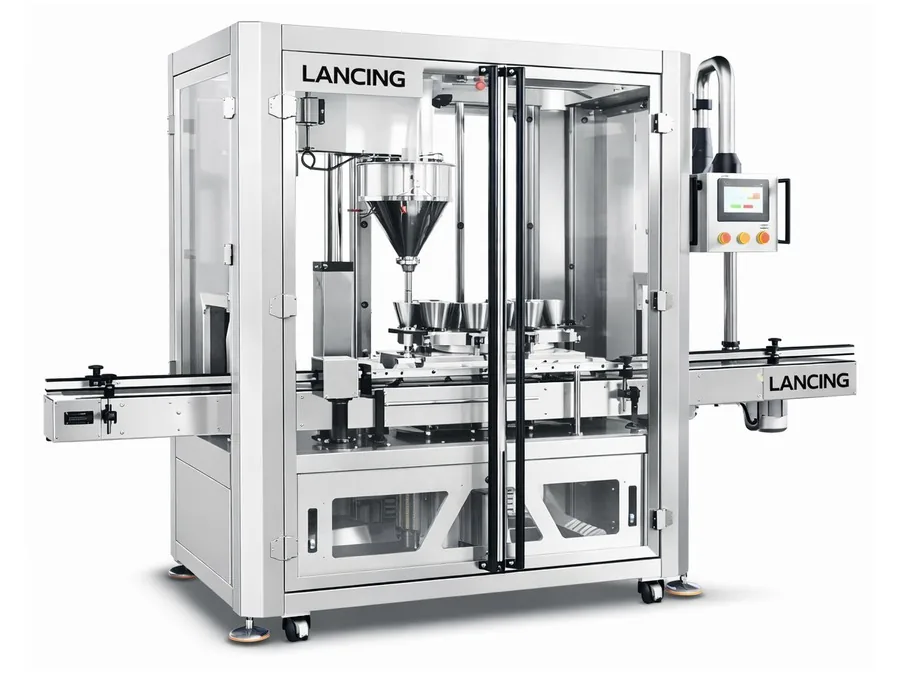
For production lines where containers are presented, filled and moved on to capping, sealing, labelling or checkweighing with less operator handling.
View details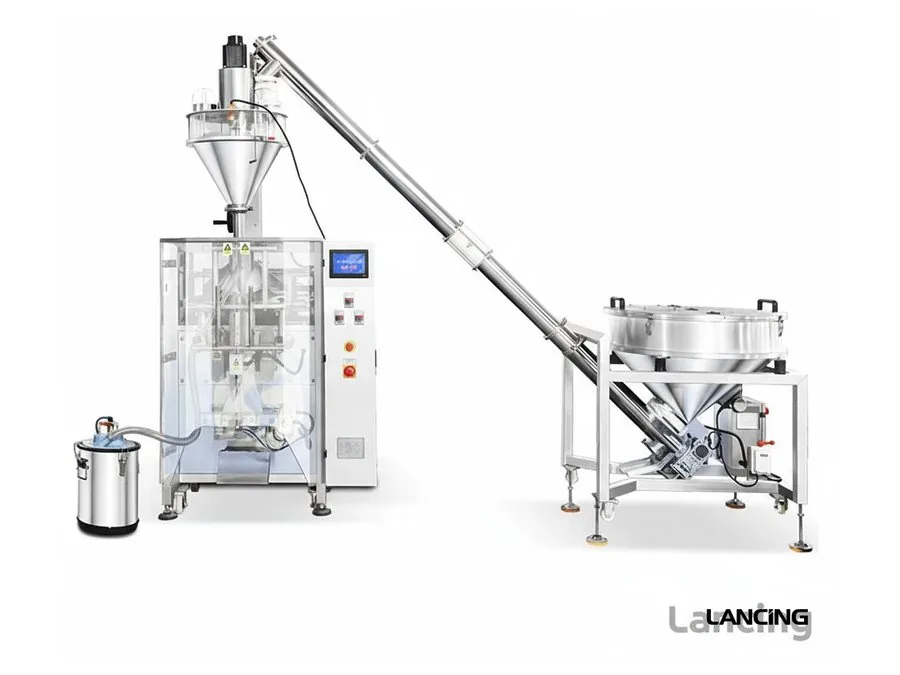
Auger dosing combined with form-fill-seal bagging for powders that need controlled filling into sachets, pillow packs, stick packs or larger bags.
View details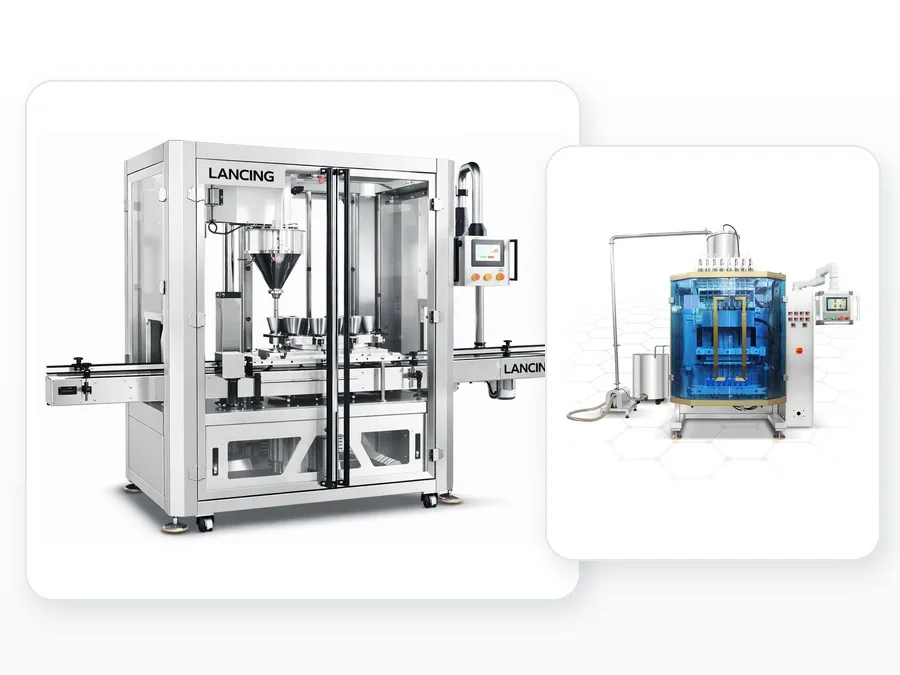
Line planning for product feed, auger filling, container handling, capping, sealing, coding, labelling and end-of-line support.
View details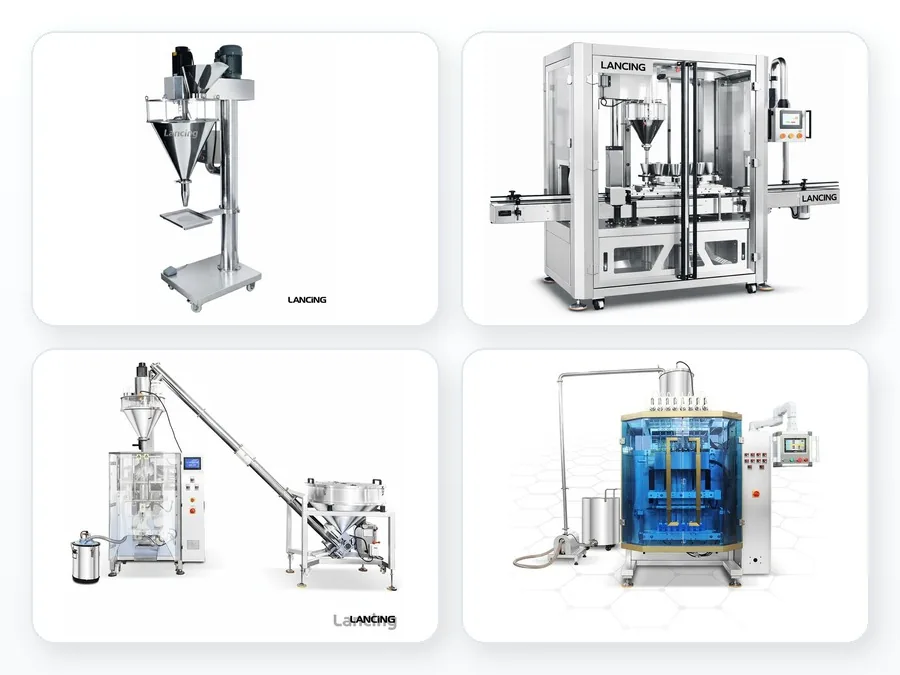
How to brief an auger filler project and compare machine options before requesting a quote.
View details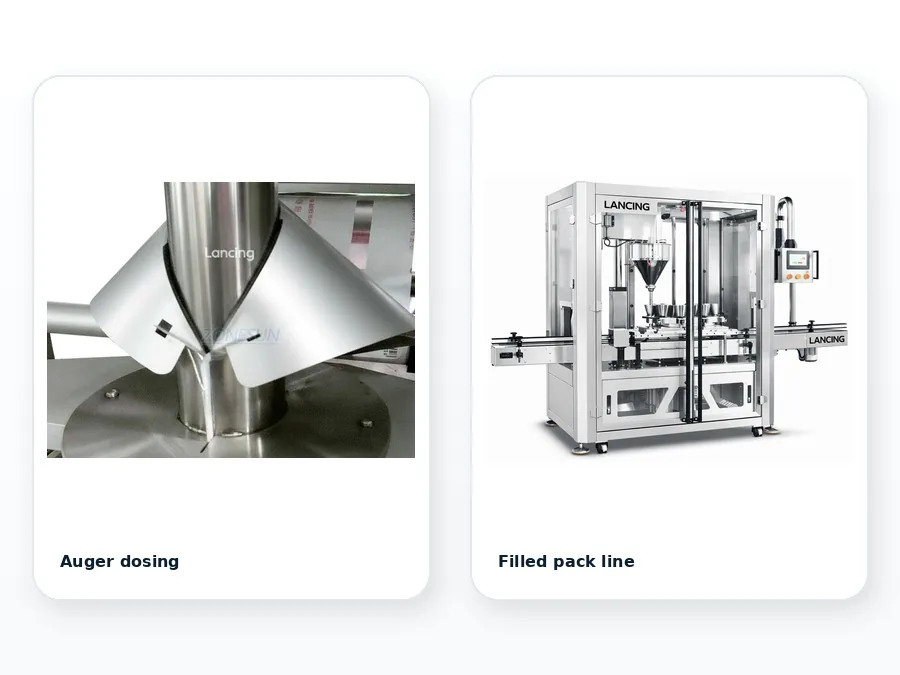
When volumetric auger dosing is enough and when weigh feedback or checkweighing should be considered.
View detailsYes. The brief can include filling, capping, labelling, conveying, checking and installation support.
No. Support can be useful for single-machine projects that must fit an existing production line.
Photos, floor space, access restrictions, utilities, existing equipment and target flow direction are all useful.
The supplied machine information supports the site process, but the employer or person controlling the work equipment must assess the actual use, connected equipment and interventions.
Review the PUWER planning guideThese guides help buyers think about operating procedures, spare parts, maintenance and line checks before the machine becomes business-critical.
These guides help define dust extraction boundaries, sample trials, changeover evidence and line-control tests before project sign-off.
Where to consider source capture around hopper loading, filling, cleaning and discharge.
What to send before a filling trial so the result reflects real production.
How cleaning records can support multi-product powder filling and allergen control.
Clarify what equipment, services and acceptance tests are included.
Plan product settings, operator access and changeover records.
Specify bag support and dust control for open-mouth packs.
For an existing powder packing line, include the host machine identification and available drawings alongside the product and pack details. Mark the proposed mounting area, current powder feed, downstream equipment and the access required for cleaning and changeover.
Agree responsibility for mechanical installation, controls, risk assessment and final handover before deciding what equipment to retain. A successful standalone filler test does not by itself verify the completed line.
Use the retrofit interface schedule and discharge observation checklist to describe the current issue or proposed change.
Discuss the product, pack and acceptance requirements • Prepare your enquiry details