Rotating auger and agitator
Prevent access during hazardous movement and provide a safe isolated method for cleaning or changing parts.
A PUWER assessment for an auger filler should confirm that the equipment is suitable for the intended powder, pack, workplace and tasks; that dangerous movement and energy sources are controlled; and that installation, operation, cleaning, maintenance, inspection and training are managed safely. The employer or person controlling the work equipment remains responsible for a suitable site-specific assessment.
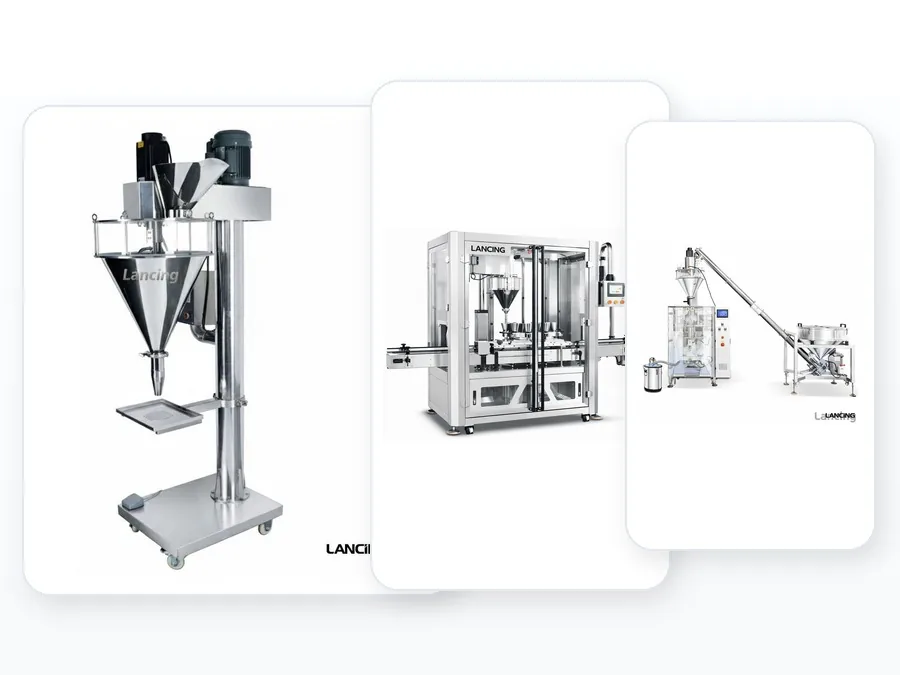
PUWER applies to work equipment and to activities including starting, stopping, setting, programming, cleaning, maintaining, servicing and modifying it. For an auger filler, the assessment should therefore cover more than guarded normal production. Hopper loading, clearing a bridge, changing tooling, removing residual powder, fault finding and restoring the line after a stop can expose different hazards.
The site should review the supplied instructions and declarations, verify installation, identify interfaces with feeders, conveyors, cappers or guarding, and establish suitable controls, isolation, inspection, maintenance and training. Product hazards such as dust, sensitisation or corrosivity are addressed alongside machinery hazards through the relevant COSHH, DSEAR and site processes.
This guide supports quotation and installation planning; it is not a completed risk assessment or legal sign-off. A competent person must assess the actual equipment, product, workplace and operating method.
The final assessment should be proportionate to the real risks and coordinated with the machine instructions and site procedures.
| Stage | What to check | Why it matters |
|---|---|---|
| Selection and installation | Confirm intended products, packs, environment, utilities, access, stability, guarding interfaces and emergency-stop scope. | Equipment must be suitable for the intended use and correctly installed before use. |
| Normal operation | Review pack presentation, hopper loading, control selection, start/stop, alarms, rejected fills and operator position. | Routine work should not require access to dangerous movement or uncontrolled powder release. |
| Cleaning and changeover | Define safe isolation, residual-energy control, tool removal, manual handling, product exposure and verification before restart. | Interventions can expose the auger, agitator, feeder and previously enclosed substances. |
| Maintenance and fault finding | Set competence, permits, isolation, access, spare-part control and post-maintenance checks. | Unexpected start-up or incorrect repair can create serious risk. |
| Inspection and review | Determine pre-use checks, safety-device tests, inspection intervals, records and triggers after modification or deterioration. | Controls must remain effective after installation and throughout use. |
Prevent access during hazardous movement and provide a safe isolated method for cleaning or changing parts.
Define the guarding, emergency-stop and control boundary across connected equipment.
Control electrical, pneumatic, vacuum, gravity and mechanical energy before intervention.
Coordinate machinery controls with COSHH, hygiene, extraction and any DSEAR requirements.
The machine supplier can provide information and support, but the user must apply it to the actual workplace and tasks.
No. Conformity marking and supplier documentation are important product-supply evidence, but PUWER places duties on the user or person controlling work equipment. The site must still confirm suitability, installation, guarding, information, training, maintenance and safe use in the actual workplace.
Integrated lines and later modifications may introduce interfaces or tasks that are not resolved by reviewing a machine label alone.
Inspection requirements and intervals should be determined by risk assessment, taking account of installation conditions, deterioration, the manufacturer’s recommendations and events that may jeopardise safety. Some checks can be simple pre-use observations; safety-related parts may require recorded inspection by a competent person.
Inspection after installation, reassembly, significant modification or an exceptional event should be considered where safety depends on those conditions.
People who use, supervise or manage work equipment need adequate information, instruction and training for the tasks they perform and the risks involved. Operators may need recipe, pack, alarm, cleaning and pre-use training, while maintenance personnel need the competence to isolate, dismantle, inspect and restore the machine safely.
Training should reflect the approved site procedure and be reviewed when the product, tooling, controls or line arrangement changes.
Yes. The use of work equipment is interpreted broadly and includes setting, programming, cleaning, maintaining, servicing and repairing. These tasks should be planned so dangerous movement and stored energy are controlled and exposure to powder or sharp, heavy and awkward parts is addressed.
A routine production guard may not by itself provide the safe isolation and access needed for an intervention.
Reassess the hazards, control system, guarding, emergency-stop span, documentation, inspection and training affected by the change. Confirm whether the modification alters the intended use, creates a new machinery assembly or affects product-supply obligations.
Do not bypass interlocks or add feeders, conveyors, extraction or controls without checking how the complete system is made safe and validated before return to production.
HSE states that PUWER requires work equipment to be suitable, maintained, inspected where necessary, provided with suitable protective measures and used by people with adequate information and training. The precise controls must be determined for the actual workplace by a competent person.
Provide the intended product, pack, operator tasks, cleaning method, connected equipment, utilities, space and site safety requirements so the proposed filler can be reviewed within the complete working process.