Use clear recipe names
Match recipe labels to products and pack sizes operators recognise.
Use recipe management to make repeat setup easier when a powder filling machine runs multiple products, fill weights, packs or operators.
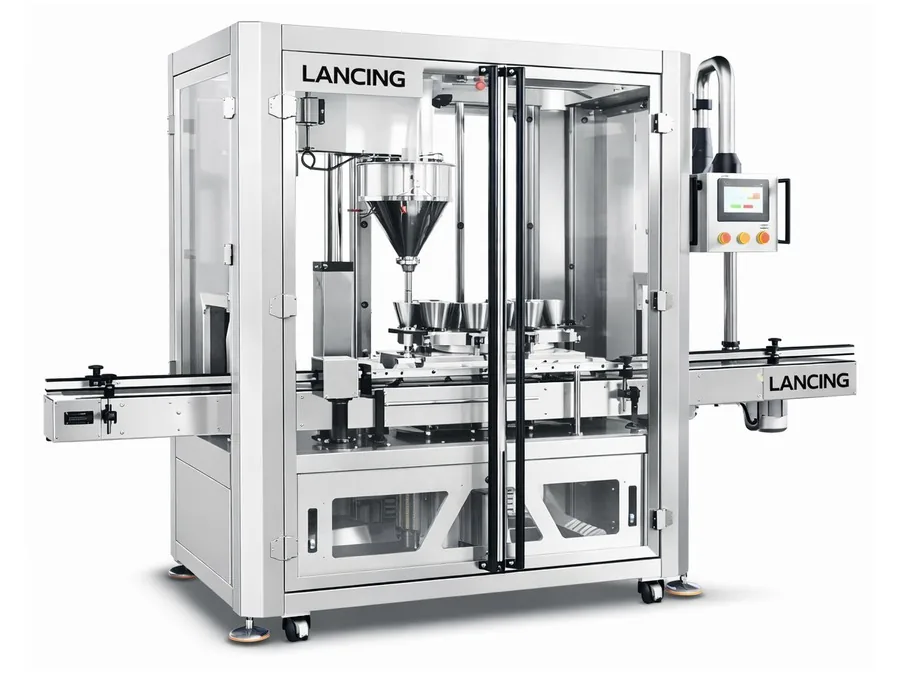
An auger filler recipe may store settings such as product name, fill target, auger speed, dosing time or revolutions, agitation, delays, feeder controls and related line settings. The exact recipe content depends on the machine and application.
Recipes should help repeat setup, but they do not remove the need to verify weights, pack presentation and cleaning when products or components change.
Good HMI planning reduces operator uncertainty and helps repeat accepted setups.
| Specification area | What to check | Why it matters |
|---|---|---|
| Recipe fields | Which settings are saved and named | Helps repeat setup for common products |
| Access control | Who can edit critical parameters | Reduces accidental changes during production |
| Line integration | Whether feeders, conveyors or checkweighers share data | Improves consistency across the complete line |
| Records | What needs to be logged or checked | Supports traceability and changeover evidence |
Match recipe labels to products and pack sizes operators recognise.
A saved recipe still needs weight and pack checks at start-up.
Parameter changes should be controlled when consistency matters.
These answers are written to help production, engineering and procurement teams prepare a realistic enquiry.
Recipe control lets an auger filler store repeatable settings for a product or pack format. It helps operators return to a known setup, but the setup should still be checked against accepted fill weights.
Recipes can reduce some operator mistakes by presenting approved settings, but they cannot compensate for the wrong product, wrong tooling, blocked flow or unverified pack change.
Recipe management may need to include feeders, conveyors, cappers, sealers, coders or checkweighers if those settings affect the finished pack. This should be planned during line integration.
Typical useful records include product, pack size, tooling, recipe selected, cleaning status, first-off weights and operator approval. The exact record should match the site process.
Include product samples, fill target, pack format, target output and any cleaning, dust-control, sealing, coding or integration requirements.