Source capture
Capturing dust close to the release point is normally more effective than trying to ventilate the whole room.
Plan dust extraction and LEV around the actual powder handling tasks, including hopper loading, dosing, settling, cleaning and product discharge.
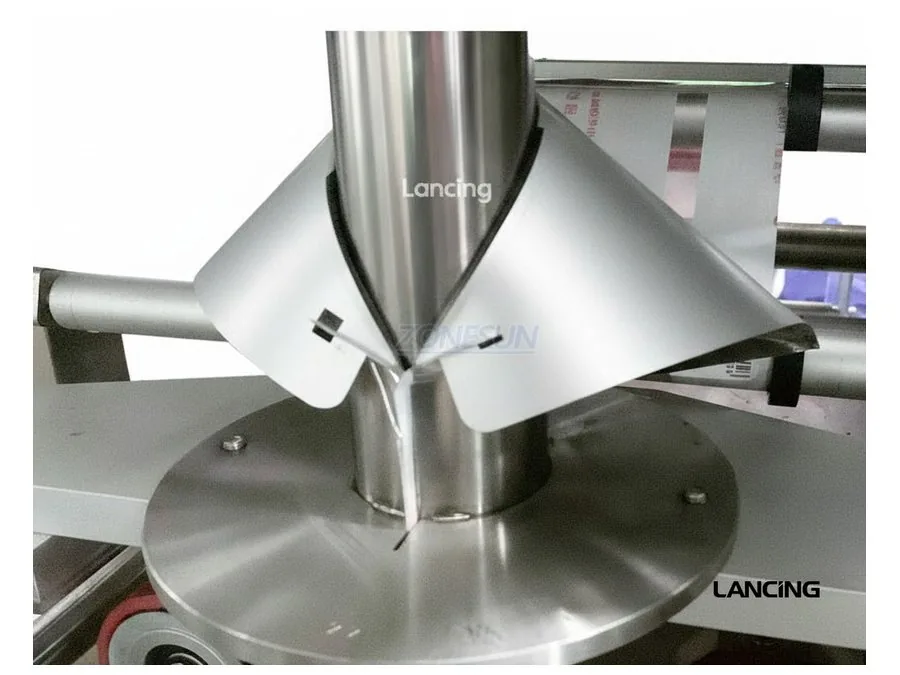
Local exhaust ventilation should be considered at the points where powder can become airborne: container tipping, hopper loading, auger discharge, bag or pouch filling, cleaning and waste handling. The right extraction arrangement depends on the powder hazard, dust release, operator position and the wider site assessment.
LEV is not just a machine accessory. It should be designed, commissioned and maintained as part of a competent exposure-control system.
The same product name can behave differently by supplier, batch, storage condition, pack format and output target.
| Factor | What to check | Why it matters |
|---|---|---|
| Hopper loading | Dust can be released when product is tipped or transferred. | Capture near the source may reduce exposure and housekeeping issues. |
| Filling point | Dust can escape around the nozzle, pouch or container opening. | Nozzle design, extraction and pack support should be reviewed together. |
| Cleaning | Dry cleaning or disturbance can release settled dust. | Cleaning method should be part of the risk assessment and SOP. |
| LEV maintenance | Extraction performance can change over time. | Inspection and testing responsibilities should be agreed before production use. |
Capturing dust close to the release point is normally more effective than trying to ventilate the whole room.
If the powder can form an explosive atmosphere, extraction design needs specialist assessment.
The installed system should be checked against the intended process, not only the equipment drawing.
These answers are written to help production, engineering and procurement teams prepare a realistic enquiry.
Not always. The need for extraction depends on the powder, filling height, hopper loading method, operator exposure, cleaning method and site assessment. Dusty or hazardous powders should be reviewed before the filler is specified.
Lancing can discuss the filling point and machine interface, but LEV design and legal exposure-control decisions should be completed by a competent person using the actual powder, process and site conditions.
No. LEV may be one control measure, but combustible dust risk and hazardous-area decisions require a suitable DSEAR assessment where relevant.
Useful information includes the safety data sheet, dust behaviour, filling method, product loading route, container or pouch opening, cleaning method and existing extraction or containment arrangements.
These links support the safety or regulatory points that should be reviewed by the duty holder or competent advisor.
Include product samples, fill target, pack format, target output and any cleaning, dust-control, sealing, coding or integration requirements.