Run enough product
A realistic sample quantity allows setup, adjustment and repeat checks.
Prepare representative powder, packaging and acceptance checks before an auger filler trial so the result reflects real production rather than a one-off demonstration.
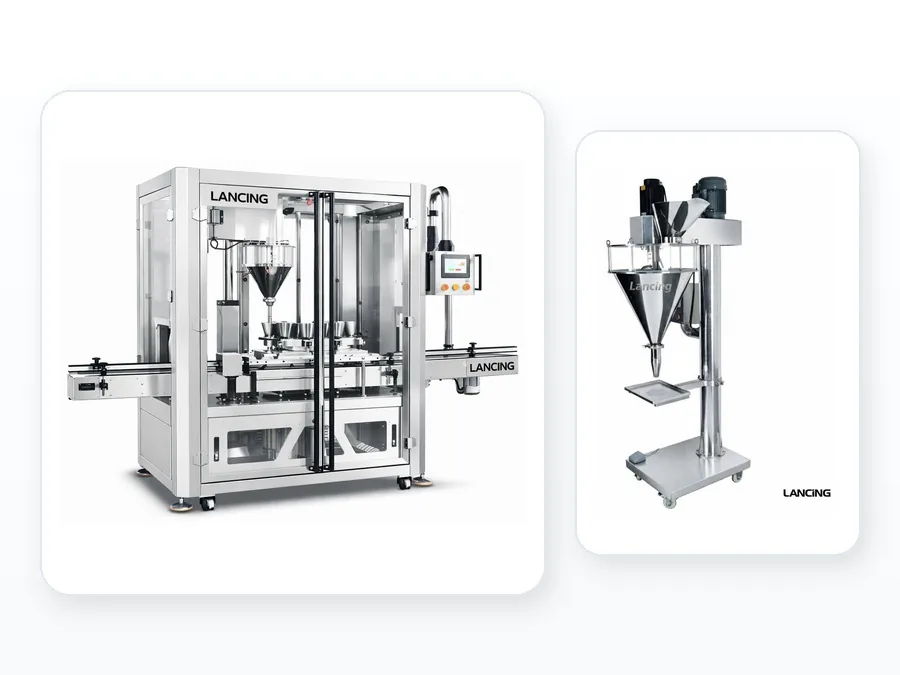
An auger filler trial should use representative production powder, the intended container or film, any closure or pouch samples and a clear target fill range. The test should also define what will be checked: weight repeatability, dust, flow, settling, seal cleanliness, output and changeover.
Samples should be supplied in enough quantity to run setup adjustments rather than only a single dose. Where products vary by batch or supplier, that variation should be made clear before the trial.
The same product name can behave differently by supplier, batch, storage condition, pack format and output target.
| Factor | What to check | Why it matters |
|---|---|---|
| Powder sample | Shows flow, dust, density and settling behaviour. | A small or unrepresentative sample can hide production issues. |
| Pack sample | Shows opening access, stability and closure constraints. | The filler must be matched to the actual container or pouch. |
| Acceptance target | Defines what good looks like. | Without a clear target, the trial result is difficult to judge. |
| Variation sample | Shows how batches, moisture or suppliers affect dosing. | Useful when powders change across production. |
A realistic sample quantity allows setup, adjustment and repeat checks.
Humidity, powder age, container batch and operator method can all affect the result.
Trial results should feed directly into quotation, tooling or further testing decisions.
These answers are written to help production, engineering and procurement teams prepare a realistic enquiry.
The amount depends on dose size, machine type and the number of settings to test. Send enough product to cover setup, adjustment and repeat checks rather than only the theoretical number of filled packs.
Yes. Empty containers, pouches, film, closures and inserts help test the real filling path, headspace, seal or closure area and downstream handling. Powder-only trials can miss important pack problems.
A trial can provide useful evidence, but final sustained output also depends on feeding, operators, closure equipment, checking, cleaning and the complete line layout. A trial result should be interpreted in context.
Common checks include fill weight, repeatability, dust, bridging, cut-off, settling, pack cleanliness, seal or rim condition, changeover time and operator access.
Include product samples, fill target, pack format, target output and any cleaning, dust-control, sealing, coding or integration requirements.