Design for access
Cleaning is easier when product-contact areas can be reached without improvised methods.
Plan cleaning records around the products, allergens, colour, odour, dust and inspection access needed for a safe and repeatable powder-filling changeover.
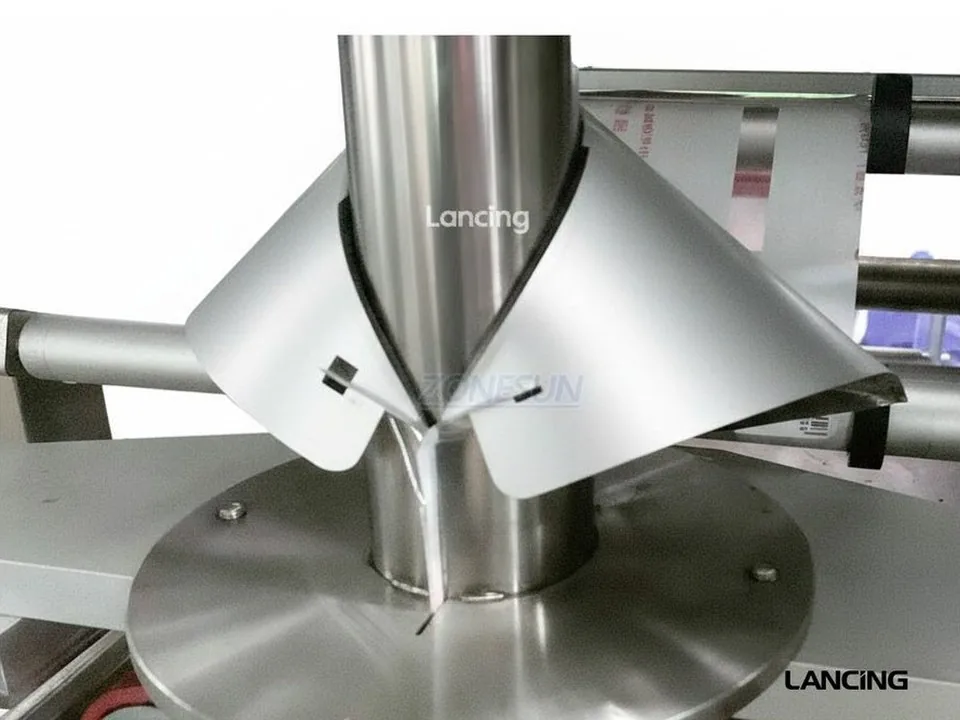
Cleaning evidence should reflect the products being run and the level of control required by the site. For multi-product powder filling, the plan may include operator checklists, visual inspection points, dismantling steps, photos, swab or allergen checks and sign-off records.
The machine specification should support the cleaning method. Access panels, removable product-contact parts, tooling storage and safe isolation all affect how repeatable the process is.
The same product name can behave differently by supplier, batch, storage condition, pack format and output target.
| Factor | What to check | Why it matters |
|---|---|---|
| Visual clean | Confirms visible powder is removed from defined areas. | May be enough for some low-risk products but not all applications. |
| Allergen or residue check | Uses a site-defined method where cross-contact risk requires proof. | Requires validated procedures outside the filler alone. |
| Tooling record | Confirms correct screw, funnel and tube are fitted. | Prevents setup errors after cleaning or product change. |
| Pre-start check | Confirms guards, parts and settings are correctly restored. | Helps avoid faults after maintenance or changeover. |
Cleaning is easier when product-contact areas can be reached without improvised methods.
Records help different operators repeat the same sequence.
Lancing can help discuss machine access, but the site owns the approved hygiene or quality procedure.
These answers are written to help production, engineering and procurement teams prepare a realistic enquiry.
Not every powder filler needs formal validation, but every production site should define a cleaning method suitable for its products and risks. Allergen, pharmaceutical, nutraceutical or high-risk powders may need stronger evidence.
Yes. Cleaning frequency, allergens, product colour, dust, odour and inspection requirements can affect hopper design, tooling access, dismantling method and whether an easy-clean execution is worth considering.
Where cleaning risk is important, samples and product-contact parts should be reviewed before order. A FAT or trial can include basic dismantling, access and cleaning checks if they are agreed in advance.
A practical record may include product run, parts removed, cleaning method, inspection points, responsible operator, reassembly check and sign-off. The exact record should match the site quality system.
Include product samples, fill target, pack format, target output and any cleaning, dust-control, sealing, coding or integration requirements.