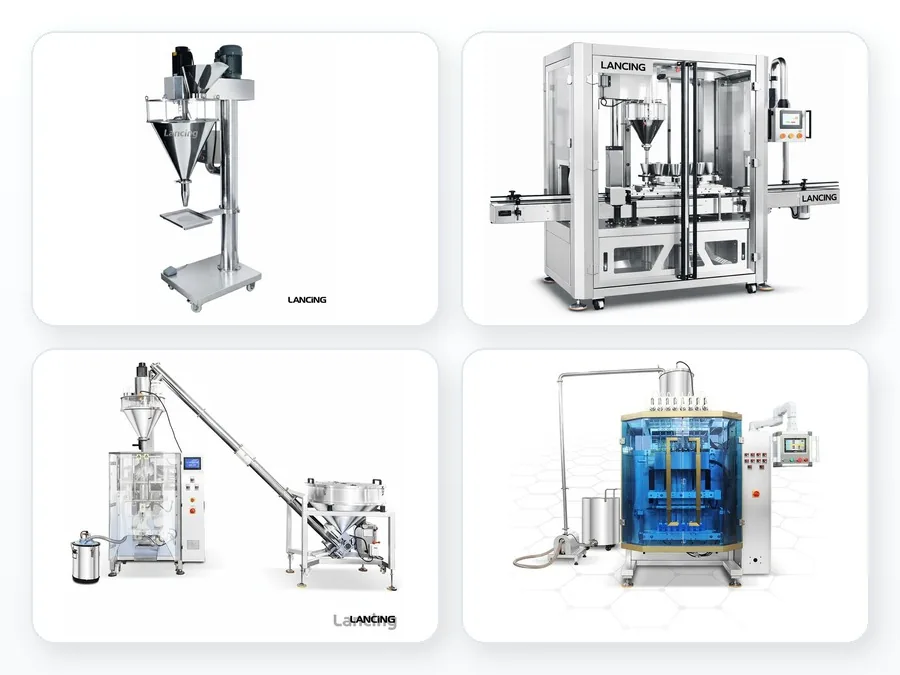
Auger filler buyer guide
How to brief an auger filler project and compare machine options before requesting a quote.
View detailsUnderstand when controlled volumetric auger dosing is suitable and when weighing or checkweighing should be added.
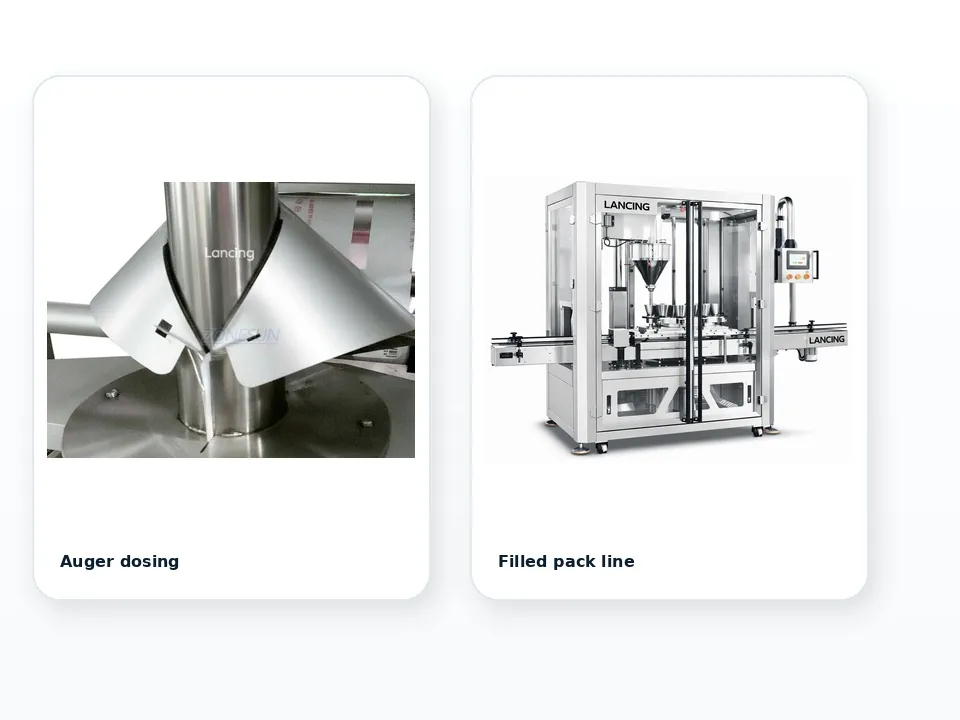
A volumetric auger dose is based on controlled screw rotation and product presentation. It can suit many consistent powders. If density changes, pack weight control is critical or giveaway needs tighter management, a weighing option or checkweigh feedback may be more appropriate.
How to brief an auger filler project and compare machine options before requesting a quote.
View details
When volumetric auger dosing is enough and when weigh feedback or checkweighing should be considered.
View details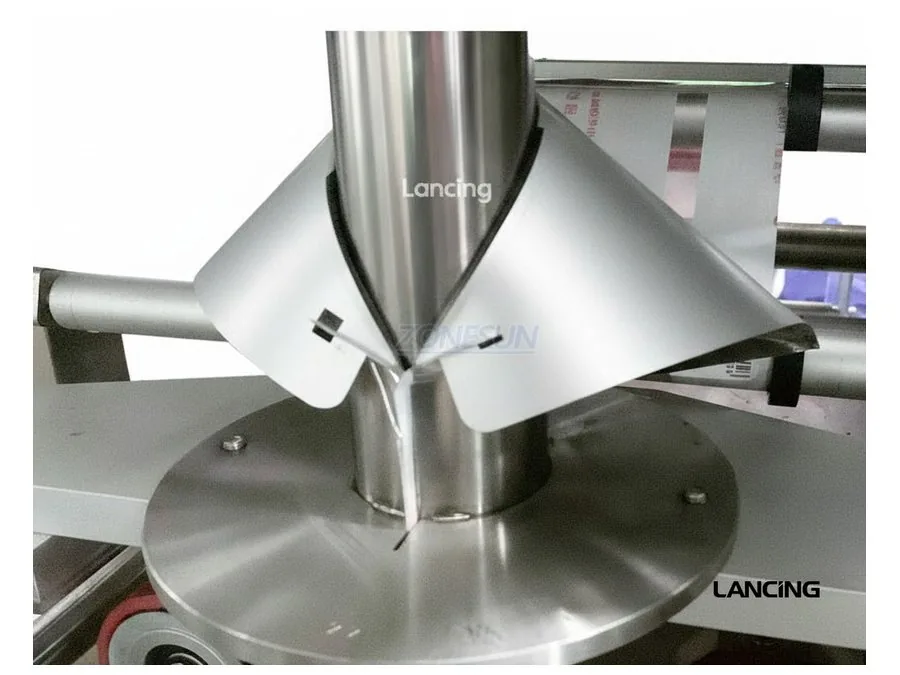
Practical factors around cohesive powders, dusty products, hopper behaviour, settling and seal contamination.
View details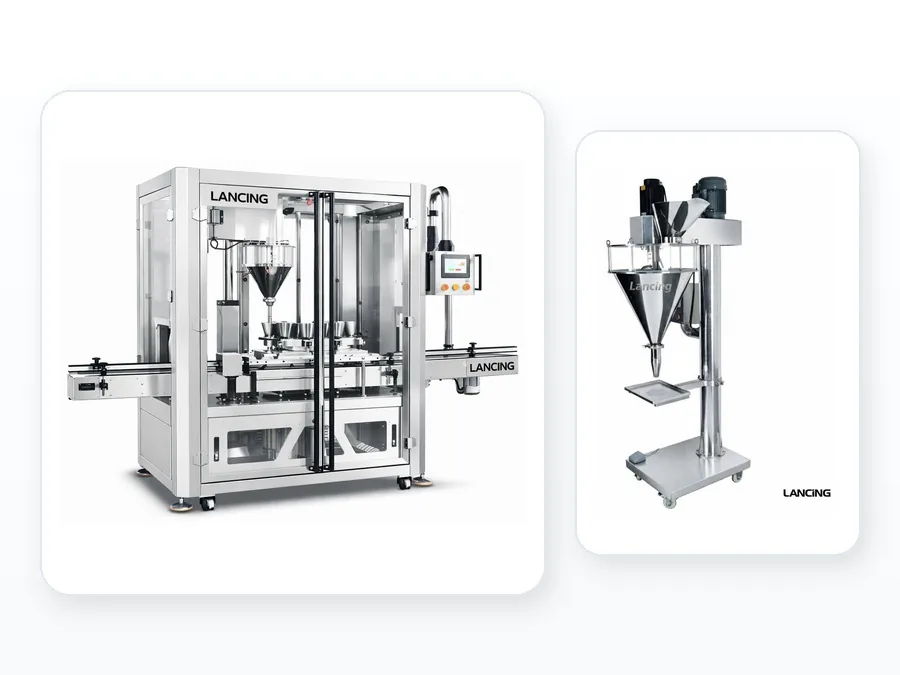
The product, pack, output and factory details to include so the shortlist is realistic.
View details| Option | Strength | Watch point |
|---|---|---|
| Volumetric auger filling | Repeatable dosing for products with stable behaviour. | Density changes can affect final weight. |
| Weigh filling | Direct focus on pack weight and giveaway control. | May change speed, layout or product feed requirements. |
| Auger plus checkweighing | Combines controlled dosing with downstream verification. | Requires line space, reject handling and integration logic. |
It doses by a controlled volume of product moved by the auger, with setup based on the product and target fill.
Weigh feedback may be useful when density variation or tighter pack-weight control makes open-loop volumetric filling unsuitable.
Yes. Many lines can include checkweighing and rejection after filling, depending on layout and pack handling.
“Gravimetric” or “weigh-assisted” is a starting description, not a complete control specification. Establish whether the system measures a pack gaining mass, a supply feeder losing mass, or an already filled pack passing a checkweigher. Each arrangement has a different relationship between the measured signal and the current dose.
A comparison should state the actual trial product, dose or flow requirement, scale location, refill method and final acceptance measurement. Avoid comparing a continuous kg/hour figure with a batch pack-weight result as though both described the same task.
Use the detailed loss-in-weight versus gain-in-weight comparison and the pack-weight sample summary.
Discuss the product, pack and acceptance requirements • Prepare your enquiry details