Weight checking
Operators need to understand what to weigh, when to weigh it and what action to take.
Turn the machine specification into a repeatable operating method that covers setup, filling checks, cleaning, changeover, rejects and escalation.
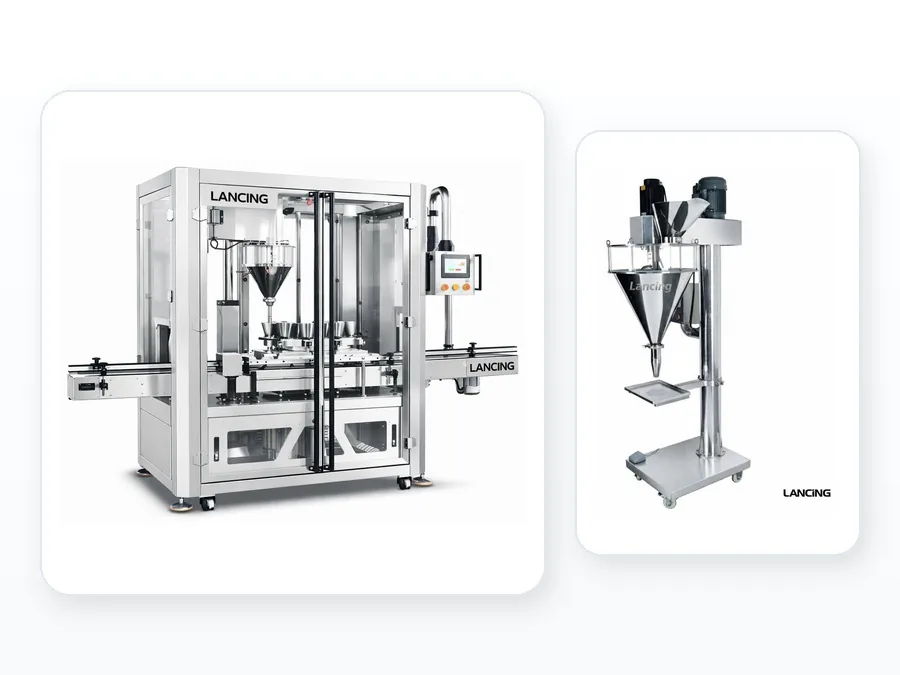
An auger filler SOP should describe the approved setup, tools, recipe, hopper-loading method, pack presentation, start-up checks, fill-weight checks, cleaning, changeover, reject handling and what the operator should do if results drift. It should be written for the actual site and product range.
The SOP should not be a copy of a generic manual. It should convert the machine information into the site’s approved process, including who is allowed to adjust settings and how checks are recorded.
These sections help create a procedure that operators can follow consistently.
| Question | What to confirm | Why it affects the filler |
|---|---|---|
| Pre-start checks | Confirm guards, tools, pack samples, product, hopper and cleaning status. | Prevents wrong-product, wrong-pack and wrong-tool errors. |
| Setup and recipe | Define approved settings and who may change them. | Controls unauthorised adjustment and process drift. |
| In-process checks | Record weights, appearance, seal/cap checks and reject handling. | Shows the run remains under control. |
| Cleaning and changeover | List strip-down, cleaning, inspection and line-clearance steps. | Reduces cross-contact and start-up issues on the next run. |
Operators need to understand what to weigh, when to weigh it and what action to take.
The same recipe can behave differently if powder is aerated, damp, lumpy or supplied from a different batch.
A clear escalation route helps prevent repeated rejects or uncontrolled setting changes.
These answers help decide whether an auger-based route is worth testing for the product and pack.
No. Machine training explains how the equipment works, while an SOP defines the site’s approved way to run a specific product and pack. Both are needed for consistent production.
The site should define who is authorised to change recipes, tooling or weight settings. Operators may run checks, but uncontrolled adjustment can make weight data and product quality harder to manage.
Useful records may include product and batch, tooling, recipe, start-up checks, sample weights, rejects, changes, cleaning and line-clearance checks. The exact records depend on the site’s quality system.
Yes. Operators should understand the approved cleaning method, parts to remove, inspection points, reassembly checks and when engineering or technical staff need to be involved.
Include product samples, fill target, pack format, target output and any cleaning, dust-control, sealing, coding or integration requirements.