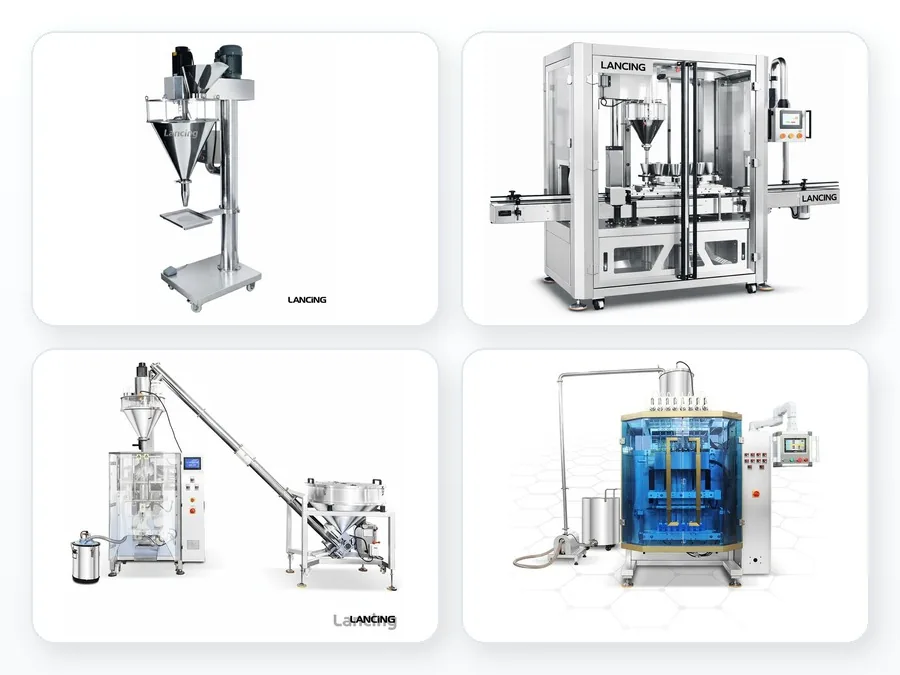
Auger filler buyer guide
How to brief an auger filler project and compare machine options before requesting a quote.
View detailsUse product behaviour, pack format, accuracy, output and integration needs to shortlist the right auger filling machine.
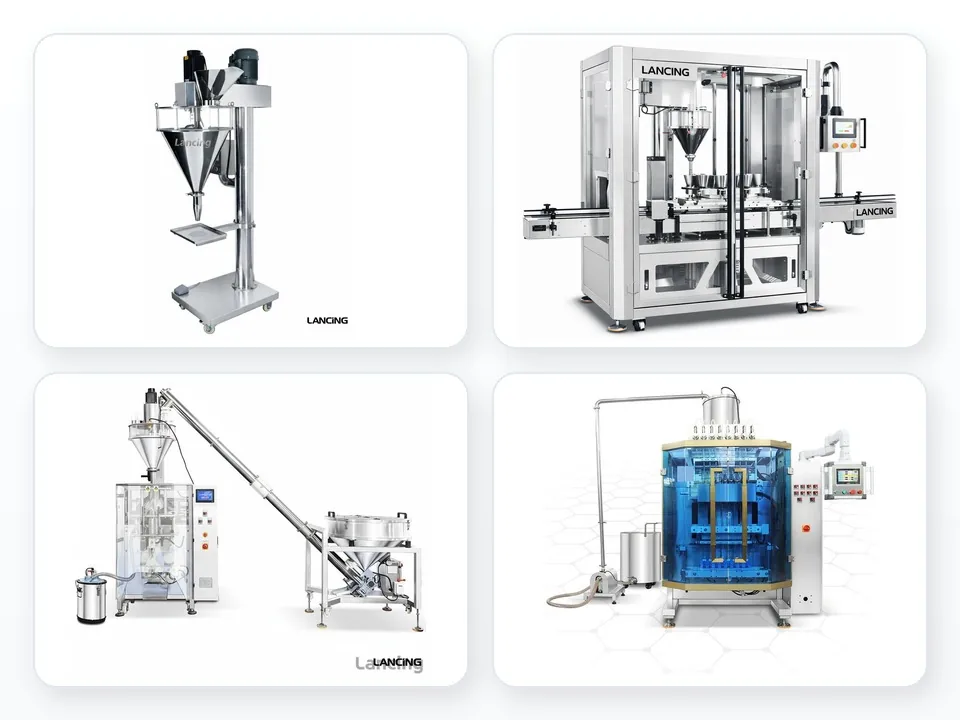
The first decision is not whether a machine looks automatic or compact. The first decision is whether the product flows consistently enough for the intended dose, pack and output. Fine powders, cohesive blends and free-flowing granules all need different handling assumptions.
How to brief an auger filler project and compare machine options before requesting a quote.
View details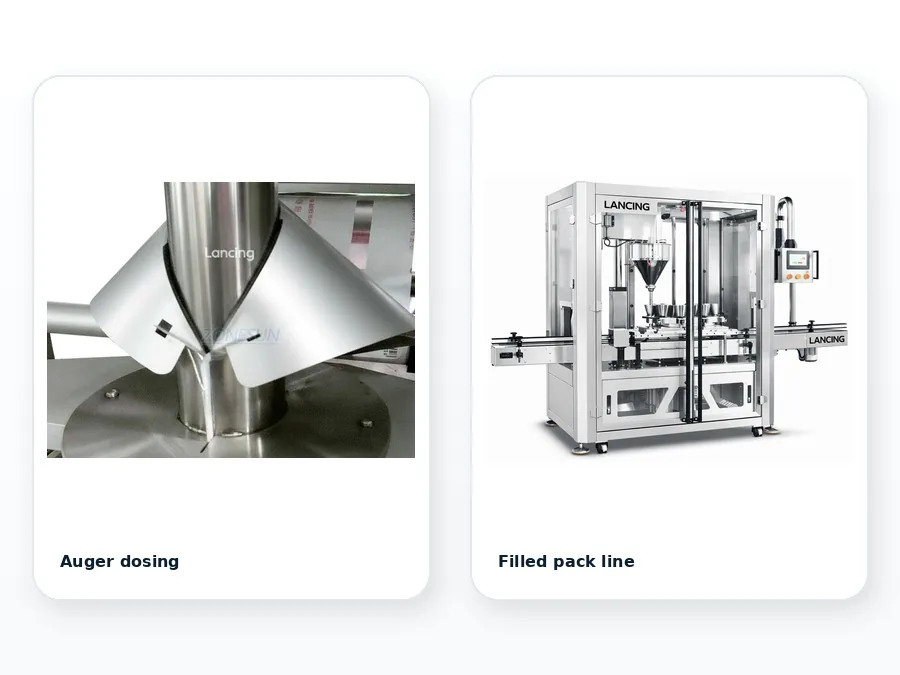
When volumetric auger dosing is enough and when weigh feedback or checkweighing should be considered.
View details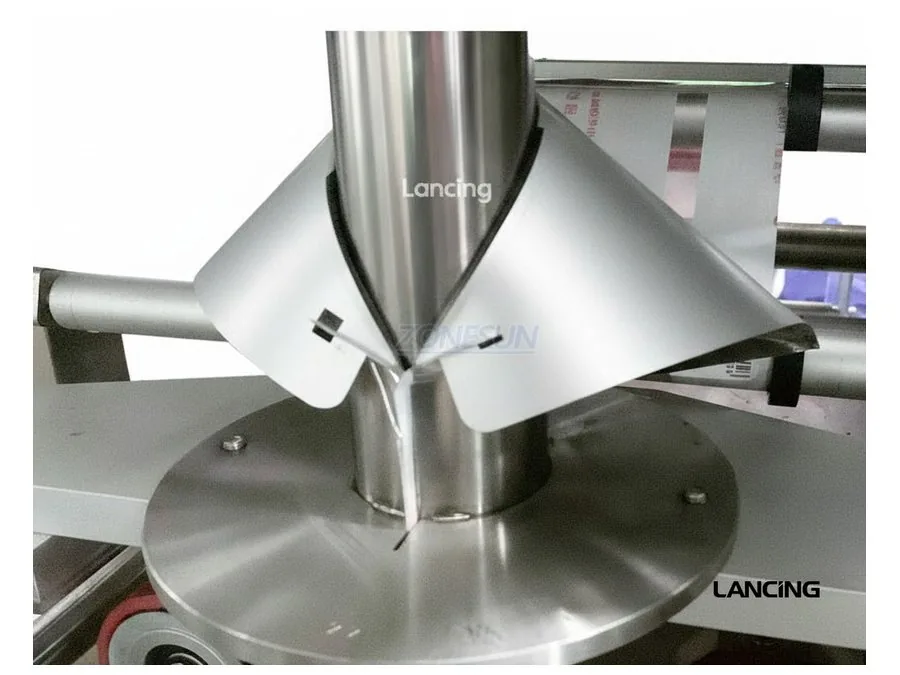
Practical factors around cohesive powders, dusty products, hopper behaviour, settling and seal contamination.
View details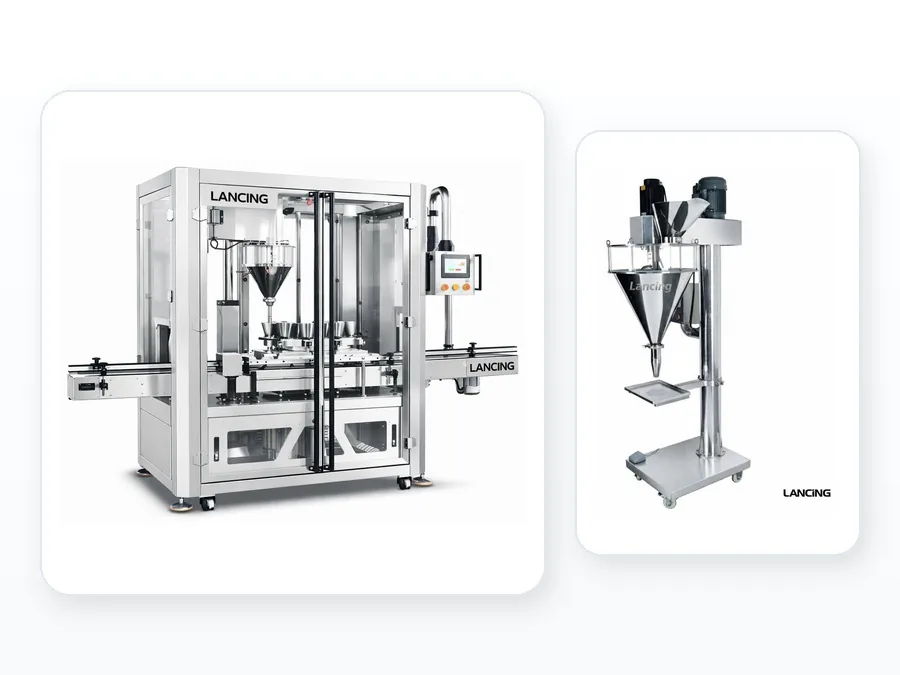
The product, pack, output and factory details to include so the shortlist is realistic.
View detailsAsk how the powder behaves, how accuracy will be checked, how the hopper is refilled, how cleaning works and how the finished pack moves to the next stage.
It can be highly repeatable for suitable products, but accuracy depends on density stability, tooling, feed control, product behaviour and checking method.
Choosing by headline speed without confirming product flow, pack handling, dust control and downstream bottlenecks.
The verified model comparison covers the compact LU-FM100B, weight-assisted LU-FM710, larger floor-standing LU-FM750F and three-head automatic LU-FM4A. It separates published machine envelopes from the product and pack trials needed for a final specification.
Compare Lancing auger filler modelsUse these guides to check the factors that affect your budget, line layout and acceptance test.
Use these guides when a project needs clearer information on samples, weight control, cleaning records or line feeding.
What to send before a filling trial so the result reflects real production.
How auger dosing, checkweighing and product giveaway fit into pack-weight planning.
How cleaning records can support multi-product powder filling and allergen control.