Measure before buying
A faster filler may not help if the capper or checkweigher is the constraint.
Use measured cycle times, stoppage reasons and changeover losses before deciding whether the filler, operator, feeder or downstream equipment is the real constraint.
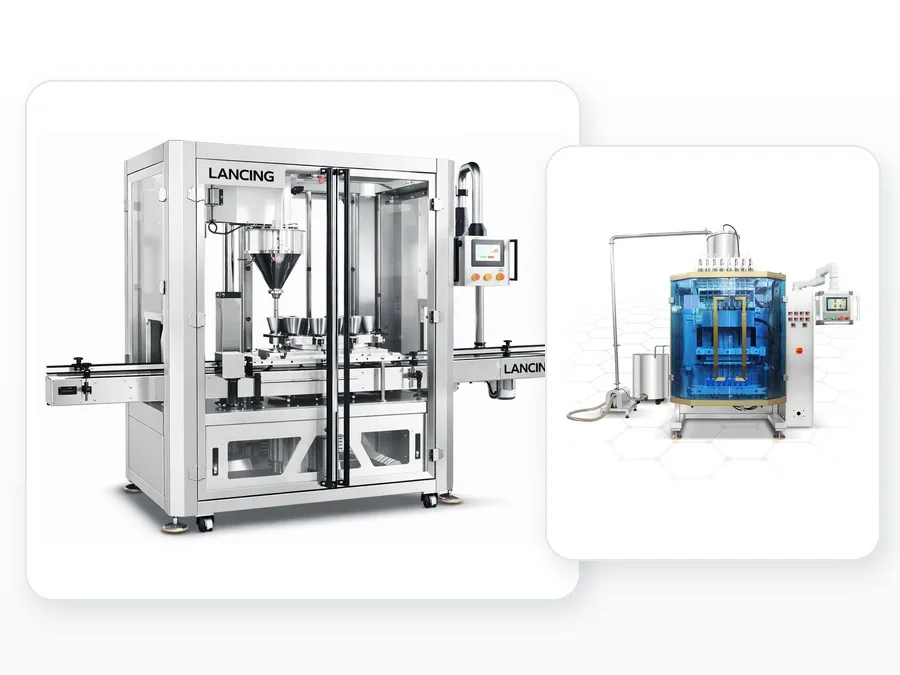
A powder filling bottleneck should be measured by timing each stage of the line, recording stoppage reasons and separating running speed from changeover, cleaning, refill and waiting time. The auger filler is not always the limiting stage; capping, pouch sealing, weighing, hopper loading or manual packing may be slower.
Simple OEE-style data helps decide whether the next investment should be extra filling heads, better feeding, automation, accumulation or improved operating practice.
The best answer depends on the powder, equipment layout, operator workflow and acceptance criteria.
| Factor | What to check | Why it matters |
|---|---|---|
| Availability | Time lost to stoppages, refills and waiting | Shows whether speed or downtime is the issue |
| Performance | Running rate compared with target | Identifies the slowest stage during normal operation |
| Quality | Rejects, rework and underweight packs | Connects output to acceptable finished packs |
| Changeover | Time between products or formats | Often dominates short-run production |
A faster filler may not help if the capper or checkweigher is the constraint.
A stoppage log is more useful than a single average output number.
Small buffers can protect line stages with different cycle times.
These answers are written to help production, engineering and procurement teams prepare a realistic enquiry.
Not always. The bottleneck can be hopper loading, container feeding, dosing, settling, capping, sealing, checkweighing, labelling or manual packing. Each stage should be timed before choosing a solution.
OEE-style measurement separates availability, performance and quality losses. For a powder line, that helps distinguish machine speed from downtime, rejected packs and changeover losses.
Add another head only if dosing time is the confirmed bottleneck and the rest of the line can keep pace. Otherwise the extra head may add cleaning and complexity without increasing finished packs.
Collect cycle times, stoppage reasons, target output, product-refill time, cleaning time, reject reasons, operator steps and the speed of downstream machines.
Include product samples, fill target, pack format, target output and any cleaning, dust-control, sealing, coding or integration requirements.