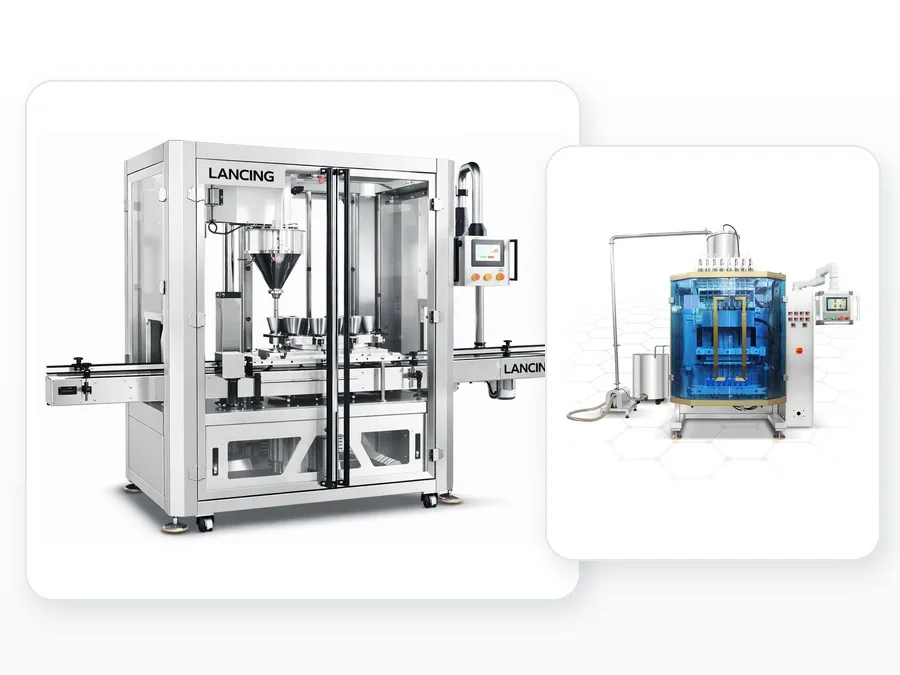
Automatic powder filling

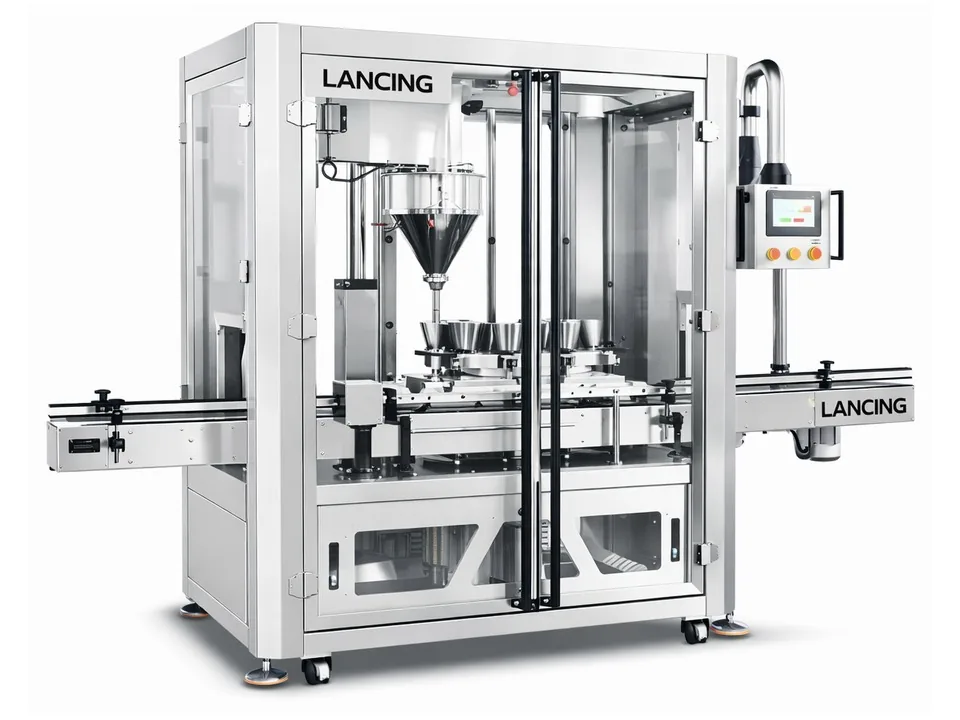
Automatic auger filling machines for inline powder production.

A production-line option for powders and dry products where container handling, filling and downstream line stages need to work together.

Powders
Fine, dusty, cohesive and free-flowing
Formats
Jars, bottles, tubs, pouches and bags
Support
Specification, supply and line integration
Automatic enclosed auger filling machine with conveyor and rotary indexing table
Automatic auger filling machine
Specification-first planning

Automatic auger filling should be planned as a working line, not only as a filling head.

Container-fed auger filling projects depend on how consistently the pack is presented under the filling head and how cleanly it moves away for capping, sealing, labelling or checking. The filler specification should therefore include container handling and downstream interfaces.

Useful details to confirm

  • Container size range and stability on conveyor
  • Fill weight, density variation and checking method
  • Hopper loading and product feed method
  • Dust control and extraction expectations
  • Capping, sealing, labelling and coding requirements
Compare options

Related auger filling options

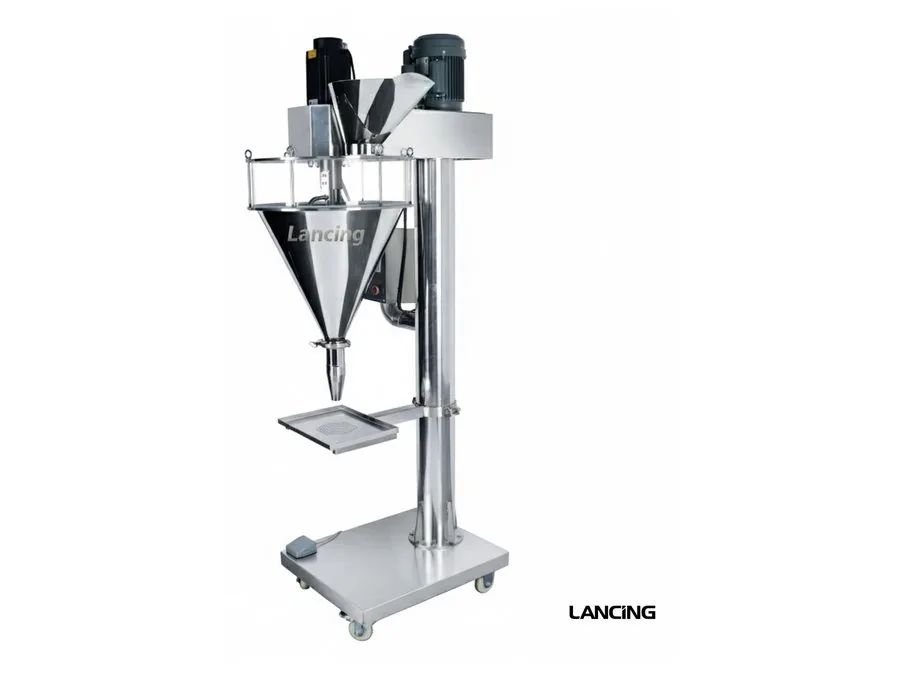
Semi-automatic auger powder filler with stainless hopper and dosing nozzle
Bench & operator-fed dosing

Semi-automatic auger fillers

A practical option for smaller batches, trials, short runs and growing production where repeatable powder dosing is needed without a fully automated line.

  • Jars, tubs, bottles and pouches
  • Fast changeovers and small footprints
  • Useful for powders, spices and supplements
View details
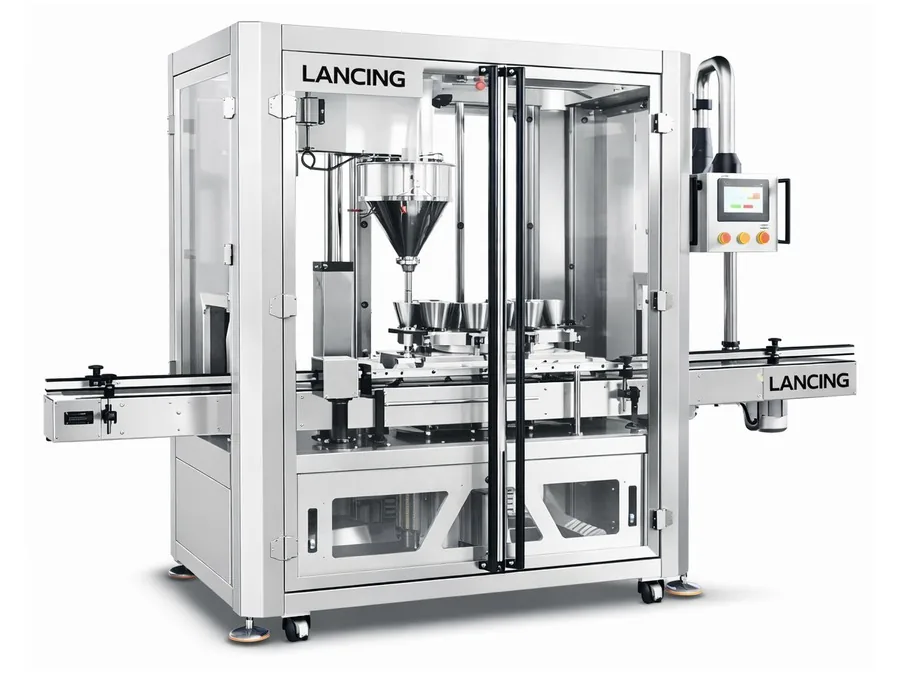
Automatic enclosed auger filling machine with conveyor and rotary indexing table
Inline powder filling

Automatic auger filling machines

For production lines where containers are presented, filled and moved on to capping, sealing, labelling or checkweighing with less operator handling.

  • Container indexing and conveyor handling
  • Hopper, screw feed and recipe control options
  • Integration with capping and labelling
View details
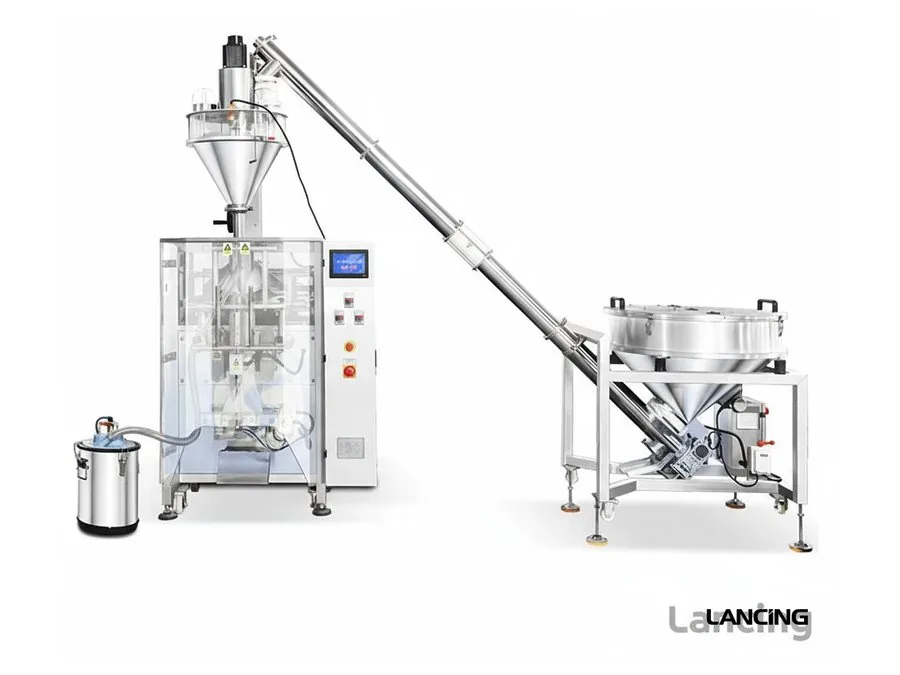
Automatic VFFS auger powder filling machine with screw feeder and bagging section
Powder bagging & pouching

VFFS auger powder filling machines

Auger dosing combined with form-fill-seal bagging for powders that need controlled filling into sachets, pillow packs, stick packs or larger bags.

  • Roll-film bag forming
  • Dust and seal-zone control
  • Powder pouch and bagging applications
View details
Integrated auger filling line machinery examples
Dosing plus line integration

Complete auger filling lines

Line planning for product feed, auger filling, container handling, capping, sealing, coding, labelling and end-of-line support.

  • Feeders, conveyors and accumulation
  • Capping, sealing and labelling interfaces
  • Layout planning before quotation
View details
Line sequence

Typical automatic auger filling sequence.

1

Present containers

Bottles, jars or tubs are indexed or controlled under the filling head.

2

Dose powder

The auger filler is configured around powder flow, target fill and dust behaviour.

3

Close and check

Filled packs continue to capping, sealing, labelling, coding or checkweighing.

FAQs

Common automatic filling questions.

When should I move from semi-automatic to automatic auger filling?

Automatic filling becomes more attractive when labour, output, repeatability or line flow is limiting production.

Can automatic auger fillers work with capping machines?

Yes. The filler can be scoped with capping, induction sealing, labelling, coding, conveyors and accumulation where required.

Does automatic filling always improve accuracy?

Not automatically. Accuracy depends on powder behaviour, tooling, product feed, target fill, density changes and any weigh-feedback or checking system.

Buyer questions

Further questions about automatic auger filling.

These questions help define the container-handling, recipe-control and quality interfaces around an automatic filler.

What determines the right container indexing method?

The right container indexing method depends on container stability, spacing, line speed, fill time, nozzle movement and the amount of control needed under the filling head. A simple stop gate may suit stable, well-spaced packs; more demanding applications may need screws, stars, pucks or servo-controlled handling proven with production-intent containers.

Provide container drawings and samples, including the lightest, tallest and least stable formats. Indexing must also coordinate with upstream supply and downstream capping or sealing rather than being selected as an isolated filler accessory.

Review bottle and nozzle access

How should automatic filler recipes and change parts be controlled?

Automatic filler recipes should identify the product, pack, auger tooling, dose settings, agitation, timing and relevant quality checks. Change parts should be clearly identified and stored so operators can match the mechanical setup to the selected recipe. Access levels and change records should reflect the site quality system.

A saved recipe does not remove the need for verification after product, batch, tooling or maintenance changes. The startup procedure should confirm that the installed parts and product condition match the recipe before saleable production begins.

Plan calibration and verification

When should checkweigh feedback be connected to the filler?

Checkweigh feedback should be considered when measured pack weights show a stable trend that can be corrected automatically without chasing random variation. The interface needs agreed averaging, correction limits, alarm handling and a fallback method so a faulty measurement or isolated disturbance does not drive the filler away from a valid setting.

Feedback complements, rather than replaces, stable hopper feed, correct tooling and the packer's approved quantity-control checks. The control philosophy should be reviewed during the line specification and acceptance testing.

Read the checkweighing guide

Discuss the product, pack and production target.

Send representative samples and the required fill range so Lancing can review the appropriate auger filling arrangement.

Send project details
Verified Lancing model

LU-FM4A three-head automatic auger filler.

The LU-FM4A is a three-head servo auger platform for indexed rigid containers. Its published 50–300 g reference range, three dosing heads and automatic line basis are configured around the approved powder, bottle opening, target fill and downstream process.

The reference 25–35 bottles-per-minute line basis is subject to trials and the performance of the complete container, filling, closing and inspection sequence.

Review the LU-FM4A specification and integration requirements

Confirm before quotation

  • Representative powder and product data
  • Approved bottle dimensions and opening
  • Target fill, tolerance and sample plan
  • Capping, labelling, coding and inspection scope
  • Required sustained finished-line output

Compare Lancing models

Automatic architecture

Choose the layout and head count from sustained line demand.

Container handling, product feed, cleaning, changeover and downstream capacity should be compared on the same basis as the auger cycle.

Inline versus rotary

Compare conveyor indexing with rotary or carousel presentation for the actual container family and footprint.

Compare layouts

Single-head versus multi-head

Determine whether extra dosing heads create usable accepted output or only add cleaning and verification work.

Compare head counts

LU-FM4A model basis

Review the verified three-head Lancing platform for indexed rigid containers and integrated downstream equipment.

Review LU-FM4A
Practical selection guidance

Specify accepted packs, not only filling-head speed

An automatic filler quotation should distinguish the rate while dosing from the good-pack rate after inspection and closure. Supply the required shift output, the pack format range and the intended staffing so the integration review includes replenishment, transfer, rejects and recovery.

What should the proposed cycle include?

Confirm how the pack is held, when the dose can start, how completion is acknowledged and when the pack may move. The same cycle must address missing containers and interrupted doses. Record which controller owns each state and which team validates the completed sequence.

How should automatic-line output be demonstrated?

Measure accepted finished packs over an agreed run that includes ordinary refill and handling events. Record rejects and stops rather than omitting them from the result. A short burst of filling-head cycles does not by itself establish sustained saleable output.

Use the output requirement calculator and retrofit interface schedule.

Discuss the product, pack and acceptance requirementsPrepare your enquiry details