Start with the finished pack
Define what a good pack must contain, weigh and display.
Define the complete powder packaging line scope before quotation so the filler, feed system, containers, closing method, coding, inspection and end-of-line handling work together.
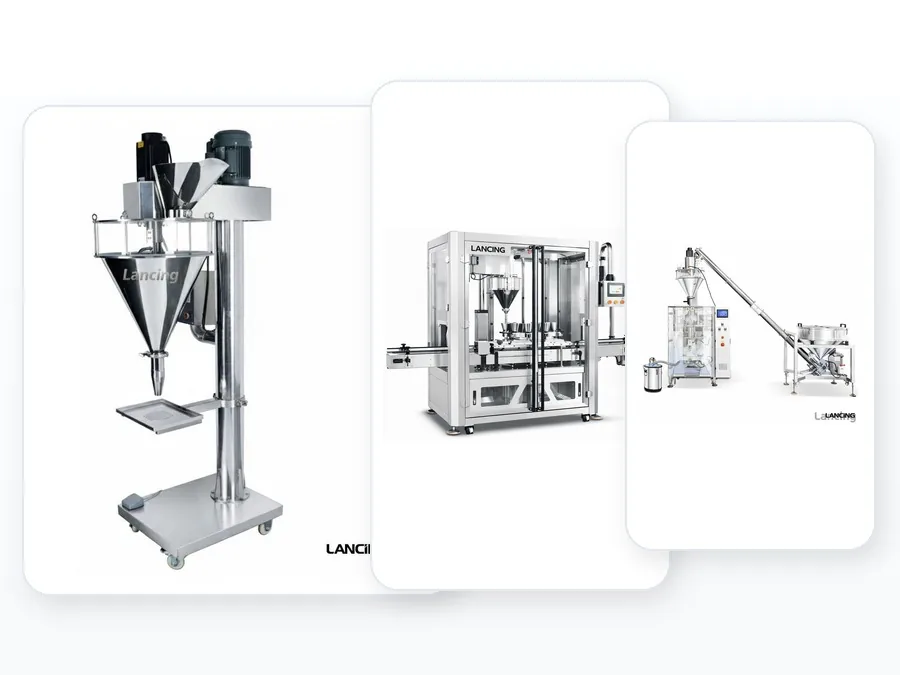
A turnkey powder packaging line scope should define product feed, hopper loading, auger filling, container or bag handling, closing, sealing, coding, inspection, checkweighing and end-of-line movement. Missing one stage can create bottlenecks after the filler is selected.
The scope should also state site constraints, utilities, cleaning needs, acceptance tests, operator responsibilities and what equipment is outside the supplier package.
A complete line should be defined by accepted finished packs, not only by filler speed.
| Specification area | What to check | Why it matters |
|---|---|---|
| Product feed | How powder reaches the filler | Can decide dust, segregation and output stability |
| Pack handling | How empty and full packs move | Affects real line speed and operator workload |
| Quality checks | Weights, codes, rejects and inspection | Defines the accepted pack, not just the dosing event |
| Project boundary | What is included and excluded | Prevents gaps between suppliers during installation |
Define what a good pack must contain, weigh and display.
Powder, container and data handovers can create hidden bottlenecks.
FAT and SAT checks should match the production requirement.
These answers are written to help production, engineering and procurement teams prepare a realistic enquiry.
A turnkey powder packaging line is a project scope that combines the main equipment stages needed to produce an accepted packed product, such as feeding, filling, closing, coding and checking. The exact scope must be agreed before quotation.
The auger filler is not always the bottleneck. Product feeding, pack handling, capping, sealing, labelling, coding, weighing or operator tasks can limit sustained accepted output.
A useful line quote needs product data, pack details, target output, layout space, utilities, cleaning needs, acceptance criteria and a clear list of included and excluded equipment.
Factory acceptance testing should cover the functions that have been agreed in the supply scope. For a complete line, that usually means checking handovers between equipment, not only the filler itself.
Include product samples, fill target, pack format, target output and any cleaning, dust-control, sealing, coding or integration requirements.