Critical to production
Hold items that would stop the line and are not readily available locally.
Identify the wear parts, tooling, sensors and change parts that matter to production continuity before the filler becomes a line-critical machine.
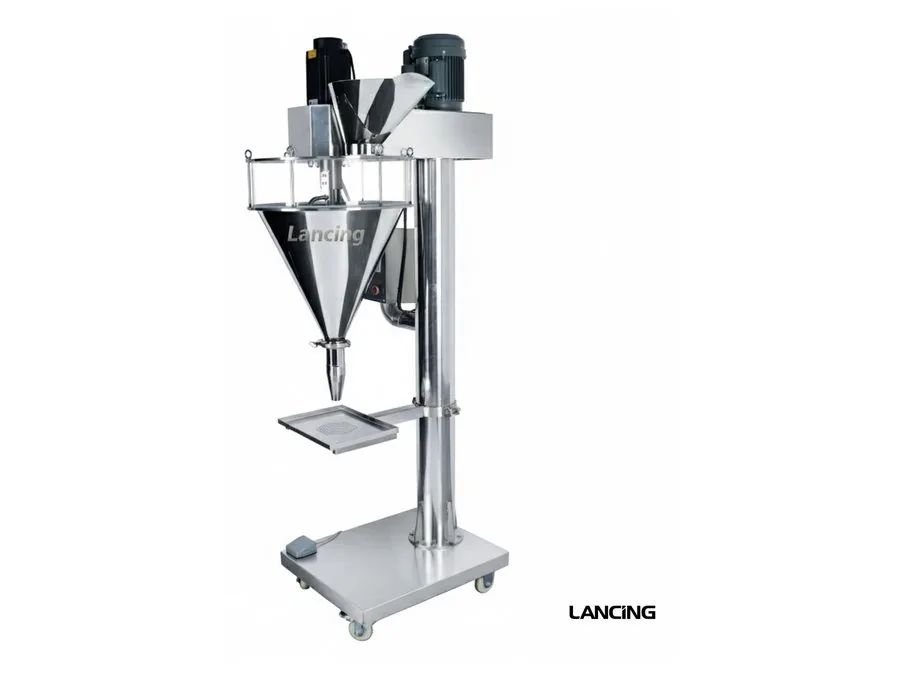
Spare parts for an auger filler should be planned around the final machine configuration, the product and the site’s downtime tolerance. Typical planning areas include auger screws, tubes, nozzles, seals, bearings, sensors, belts, pneumatic parts, guards, fasteners and format-specific change parts.
The right list is not the same for every machine. Abrasive powders, frequent changeovers, wet cleaning, multiple pack sizes and long production campaigns can all change what should be held on site.
Categorising parts makes it easier to decide what is critical and what can be ordered when needed.
| Question | What to confirm | Why it affects the filler |
|---|---|---|
| Product-contact tooling | Augers, tubes, funnels, nozzles and pack-contact supports. | Wrong or worn tooling can change fill quality or make changeover impossible. |
| Wear and consumable items | Seals, belts, bearings, filters and other regular-wear parts. | Stocking sensible items reduces avoidable downtime. |
| Sensors and controls | Photo-eyes, switches, cables and interface parts where fitted. | A small electrical part can stop an otherwise sound machine. |
| Format change parts | Guides, clamps, stars or supports for different packs. | Missing change parts can prevent a planned product or pack run. |
Hold items that would stop the line and are not readily available locally.
Hold extra tooling where abrasive or sticky powders are likely to wear or damage parts.
Keep labelled change parts together so the next format can be fitted without a search.
These answers help decide whether an auger-based route is worth testing for the product and pack.
Auger screws can wear, especially with abrasive products or long production campaigns. Wear may affect cut-off, repeatability or product handling, so the screw condition should be included in maintenance checks.
Holding spare augers may be sensible if the filler is critical to production, the powder is abrasive or several formats use different tooling. The decision should be based on downtime cost and part availability.
Changeover may require augers, tubes, funnels, nozzles, pack supports, guides and recipe settings. The exact set depends on the machine and pack formats, so change parts should be labelled and stored together.
Some spares can be refined after installation, but critical parts should be discussed before handover. Waiting until the first breakdown can create avoidable downtime.
Include product samples, fill target, pack format, target output and any cleaning, dust-control, sealing, coding or integration requirements.