Before filling
Some packs may be purged before dosing, but powder flow and headspace still need testing.
Consider nitrogen flushing where a powder pack needs reduced oxygen, but plan it with the pack, seal, product sensitivity and safety responsibilities rather than treating it as an add-on.
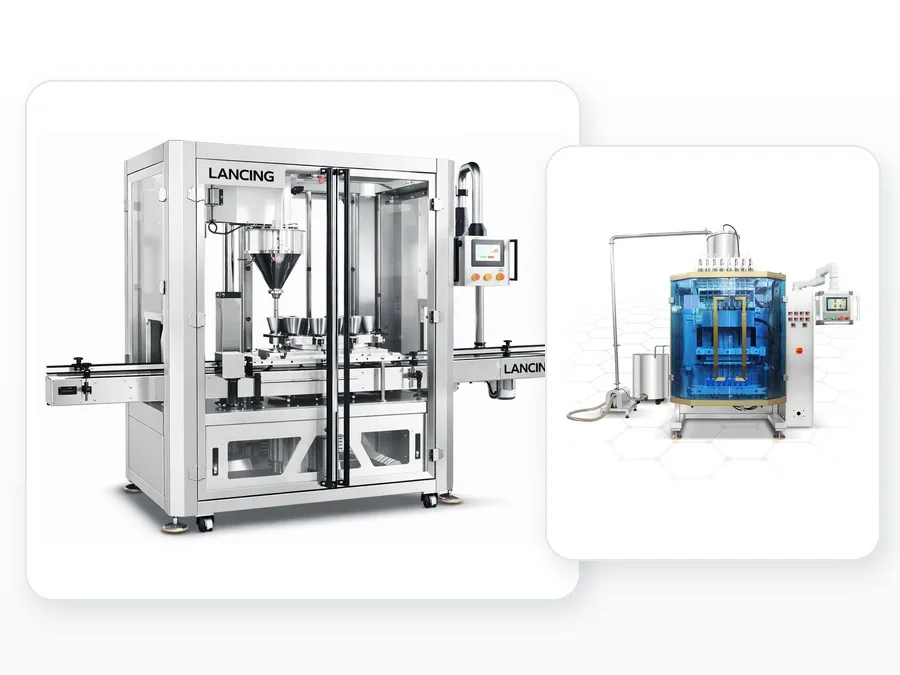
Nitrogen flushing can be relevant when a powder or packed product is sensitive to oxygen, aroma loss or shelf-life requirements, but it must be specified with the pack material, seal method and acceptable residual oxygen target. It is not a universal requirement for every auger filling project.
The flushing point may be before, during or after filling depending on the pack. Trials should confirm whether gas use, dust movement and sealing conditions produce the required finished-pack result.
These checks decide whether flushing can be integrated cleanly with the filling and sealing process.
| Question | What to confirm | Why it affects the filler |
|---|---|---|
| What is the objective? | Define whether flushing is for oxygen reduction, aroma protection or a customer specification. | The objective determines testing and the acceptable residual oxygen level. |
| What pack is used? | Review pouch film, jar closure, liner or induction seal. | A poor seal will defeat a good gas-flushing setup. |
| Will gas disturb the powder? | Trial the fill and flush with production powder. | Gas flow can move dust, affect fill level or contaminate the seal area. |
| Who owns gas safety? | Confirm site supply, ventilation, risk assessment and operator procedure. | Nitrogen can create safety considerations that sit outside the filler alone. |
Some packs may be purged before dosing, but powder flow and headspace still need testing.
Nozzle and gas-flow position must avoid carrying powder into the seal area.
The finished pack should be checked by the method the site will use in production.
These answers help decide whether an auger-based route is worth testing for the product and pack.
Only some powder products need nitrogen flushing. The need depends on product sensitivity, shelf-life target, pack barrier, headspace and customer specification. It should be confirmed by product and pack testing rather than assumed.
Nitrogen flushing can often be considered as part of an auger filling line, but the correct position depends on the pack format and sealing method. The equipment must be specified around residual oxygen targets, dust behaviour and site safety requirements.
Yes. Poorly controlled gas flow can disturb fine powder and increase contamination near a pouch or liner seal. Trials should check both oxygen performance and seal quality with the real powder.
Provide the product, pack material, target fill, headspace, seal method, desired residual oxygen level, test method and gas supply assumptions. Without those details the line cannot be specified reliably.
Include product samples, fill target, pack format, target output and any cleaning, dust-control, sealing, coding or integration requirements.