Product effect
Some products are harder to inspect because of moisture, salt, mineral content or pack material.
Plan metal detection around the product, pack, line layout and reject method so inspection supports the finished-pack control plan rather than becoming an afterthought.
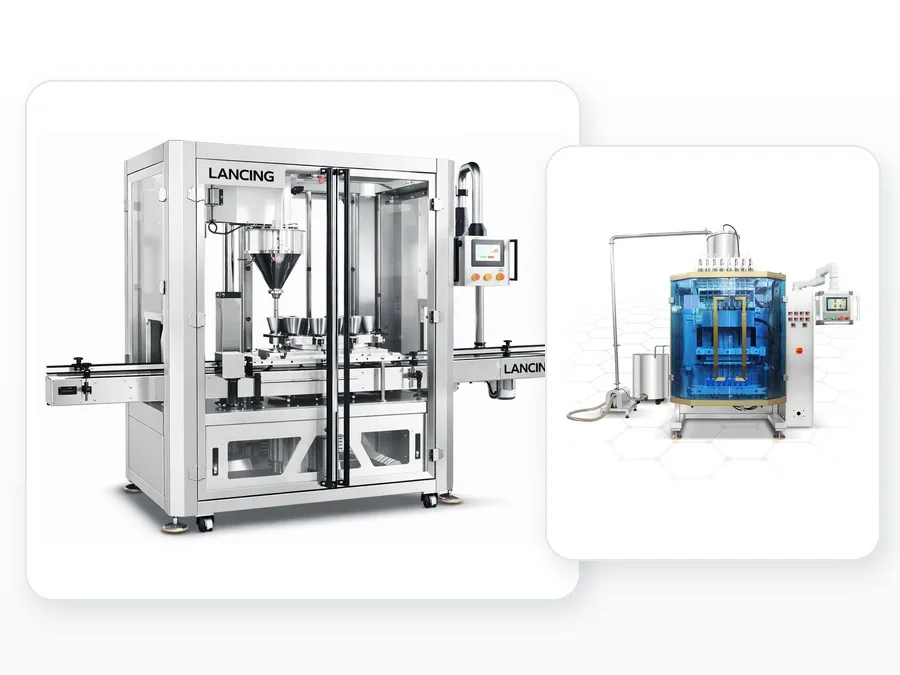
Metal detection can be planned before filling, after filling or at both points depending on the product risk, pack material and customer standard. Inspecting loose powder can differ from inspecting a finished pack, so the line should be planned with the quality objective, test pieces and reject method in mind.
For many projects, the key design question is not simply “can a metal detector be fitted?” but how rejected product will be isolated, how tests will be recorded and whether the chosen detector suits the pack and product effect.
A practical powder filling line may use more than one inspection point if the risk assessment requires it.
| Question | What to confirm | Why it affects the filler |
|---|---|---|
| Before filling | Inspect product flow before it reaches the filler. | Can protect the filler and line but may not check the finished pack. |
| After filling | Inspect the finished pack on the conveyor. | Matches pack release decisions but must suit the pack material and size. |
| After sealing or capping | Inspect after the pack is closed. | Can align with final quality release and reject handling. |
| With checkweighing | Combine metal detection and weighing where suitable. | Can reduce conveyor length but must meet both inspection and weight-control needs. |
Some products are harder to inspect because of moisture, salt, mineral content or pack material.
The reject must remove the correct item and prevent it returning to saleable product.
The site should define start-up, interval, changeover and end-of-run checks.
These answers help decide whether an auger-based route is worth testing for the product and pack.
Yes, metal detection can often be added after an auger filler if the conveyor, pack spacing, reject device and product/pack combination suit the detector. The inspection requirement should be defined before the layout is fixed.
No. Metal detection is one part of a control plan. Maintenance, wear checks, product handling controls, test procedures and reject verification remain important because inspection does not prevent all causes of contamination.
A combined checkweigher and metal detector may be suitable in some lines, but the decision depends on pack size, speed, reject handling, available length and required testing procedure. The combined unit still needs to meet both control requirements.
The reject system depends on pack weight, line speed, pack stability and quality rules. Options may include pushers, air blast, diverters or stop-and-alarm arrangements, but final choice must be application-specific.
Include product samples, fill target, pack format, target output and any cleaning, dust-control, sealing, coding or integration requirements.