Height and hoppers
A machine that fits the floor may still need height for loading, extraction or lifting.
Plan the line around the product path, operator tasks, pack movement and support equipment before a filler, capper, sealer, labeller or checkweigher is selected.
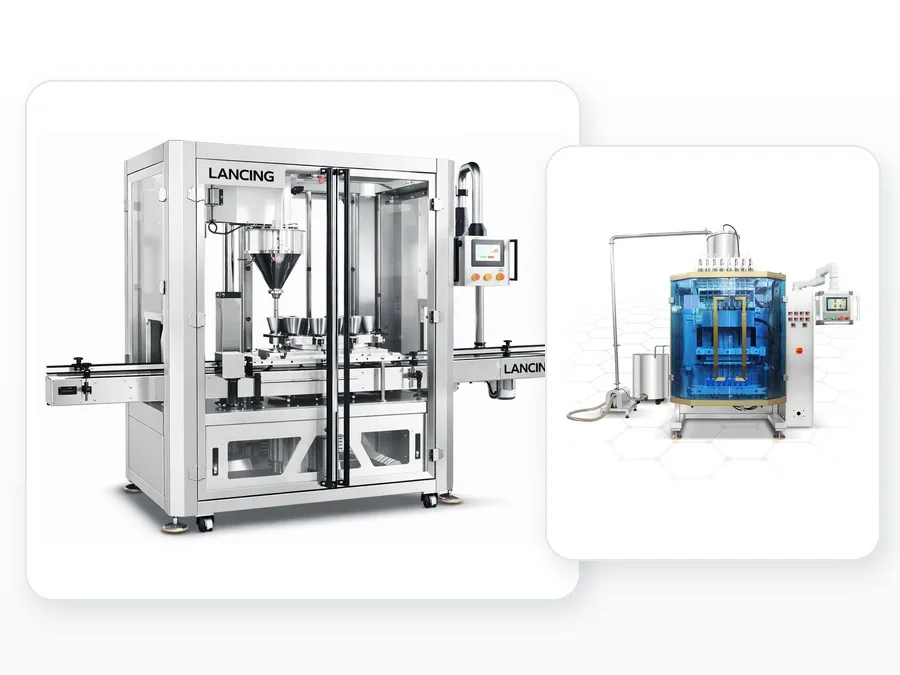
A powder filling line layout should be planned from product receipt through to accepted finished packs. The layout needs to cover hopper loading, filling, settling, capping or sealing, coding, labelling, inspection, rejects, cleaning access and operator movement.
A drawing based only on machine footprints can miss product transfer, utilities, doors, extraction, reject handling and maintenance access. Those omissions can create bottlenecks even when the filler itself is suitable.
These checks help prevent the filler being installed as an isolated machine that cannot run at the intended output.
| Question | What to confirm | Why it affects the filler |
|---|---|---|
| Where does product enter the line? | Define bag tipping, screw feed, vacuum transfer or manual loading. | The product feed can limit sustained output. |
| Where does the pack pause or settle? | Allow space for settling before closing or checkweighing if required. | Rushed downstream handling can create rejects. |
| How are rejects removed? | Plan reject bins, access and restart procedure. | Inspection equipment only helps if rejects are controlled. |
| How will operators access the line? | Check doors, panels, cleaning points and change parts. | Poor access slows changeover and maintenance. |
A machine that fits the floor may still need height for loading, extraction or lifting.
Power, compressed air, extraction and data connections should be routed before installation.
Access panels and removable tools need enough space around the machine, not only above it.
These answers help decide whether an auger-based route is worth testing for the product and pack.
A good layout lets product, packs, operators and rejected items move without crossing or creating unnecessary handling. It gives enough access for loading, filling, closing, inspection, cleaning and maintenance while supporting the required accepted output.
Neither should be chosen in isolation. The filler, conveyor, pack handling and downstream machines need to be considered together because each stage can determine spacing, stops, controls and sustained output.
Common bottlenecks include slow hopper loading, manual cap application, pouch opening, seal dwell time, checkweigher rejects, label application, cleaning access and operator movement. The bottleneck may not be the auger filler itself.
A floor plan, ceiling-height information, door widths, service positions, product-flow direction and sample pack dimensions all help turn a machinery discussion into a usable layout proposal.
Include product samples, fill target, pack format, target output and any cleaning, dust-control, sealing, coding or integration requirements.