Measure first
Time the current fill, closure and discharge stages before assuming the filler is the constraint.
Use multiple filling heads only when the dosing stage is the real bottleneck and the product feed, container handling and downstream equipment can support the extra capacity.
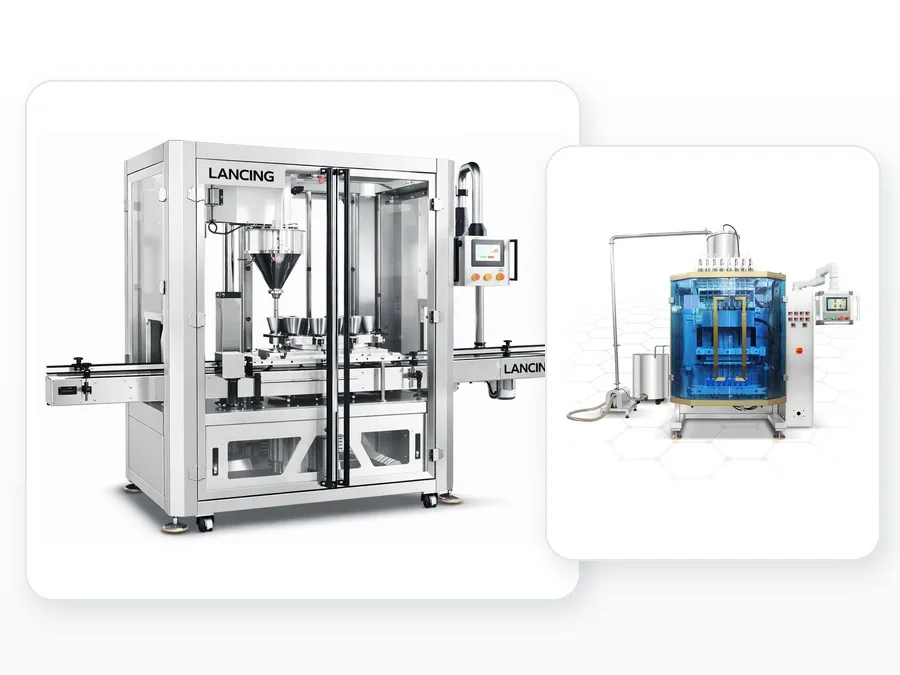
A multi-head auger filling machine can make sense when a single filling head cannot meet the required output and the product feed, containers, conveyors and downstream stages can maintain the same pace. Adding heads does not solve bottlenecks caused by slow capping, settling, labelling or manual handling.
The correct layout should be calculated from real filling time, container spacing, sample-trial results and the required acceptance method.
A useful quote depends on more than the product name. These checks help choose a realistic machine route.
| Factor | What to check | Why it matters |
|---|---|---|
| Dosing bottleneck | Time taken for one accurate fill | Shows whether extra heads are justified |
| Product supply | Whether hoppers can be fed evenly | Prevents one head starving while another continues |
| Container handling | Pitch, stability and lane control | Determines whether containers can be presented to multiple heads |
| Changeover burden | Number of product-contact parts and heads to clean | Important for short runs and allergen changes |
Time the current fill, closure and discharge stages before assuming the filler is the constraint.
Multi-head systems need consistent product supply and level control.
The line may need individual head tracking if filled packs are checked after dosing.
These answers are written to help production, engineering and procurement teams prepare a realistic enquiry.
Not necessarily. A second head can increase capacity only if dosing is the limiting stage and all other parts of the line can keep pace. Product feed, container indexing, settling, capping and checkweighing can still limit output.
They can be. More heads normally mean more tooling, tubes, hoppers and contact parts to clean and inspect. This matters where products change frequently or allergen separation is required.
A multi-head system is usually planned for one product and one target at a time. Running different targets simultaneously may be possible only with a carefully designed control and handling strategy.
Test each head separately and together. Record fill variation by head, hopper level, product condition and downstream pack weight so differences are found before acceptance.
Include product samples, fill target, pack format, target output and any cleaning, dust-control, sealing, coding or integration requirements.