Container presentation
The best sensor cannot fix inconsistent pack presentation upstream.
Use container detection, indexing checks and reject planning to reduce wasted powder, misfilled packs and avoidable line stoppages on automatic auger filling systems.
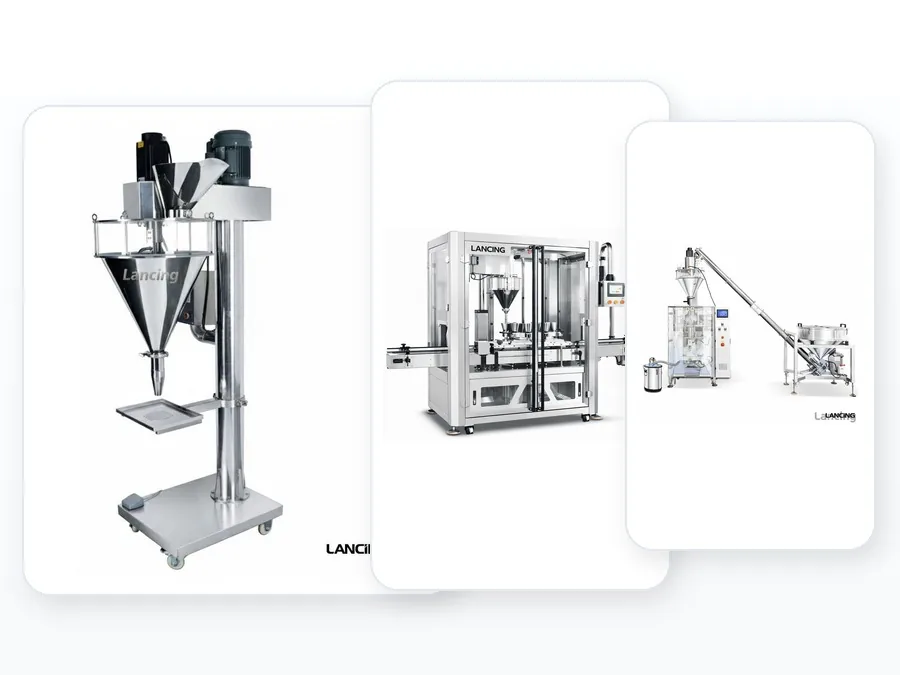
No-container-no-fill means the filler should only dose when a container or pack is correctly presented. On an auger filling line, this normally depends on sensors, indexing, guarding and control logic that confirm the pack is in position before the auger cycle starts.
The objective is to avoid discharging powder onto the conveyor, into a missing pack or into a poorly positioned pack. The sensor plan should be tested with the real container and production conditions.
The same product name can behave differently by supplier, batch, storage condition, pack format and output target.
| Factor | What to check | Why it matters |
|---|---|---|
| Photoelectric sensing | Detects the presence or absence of a container. | Needs testing with container colour, reflectivity and label changes. |
| Mechanical indexing | Controls pack position under the filling head. | Critical where the opening is small or fill height is tight. |
| Weight check | Detects missed fills or gross errors after filling. | Useful as a downstream verification step. |
| Reject handling | Removes faulty packs or missed fills. | Should avoid stopping the whole line for every minor fault if the risk assessment allows. |
The best sensor cannot fix inconsistent pack presentation upstream.
Operators need a clear reset and clean-up method for misfeeds or missed packs.
Sensors, auger permission, checkweighing and rejection should be planned as one control system.
These answers are written to help production, engineering and procurement teams prepare a realistic enquiry.
A no-container-no-fill control is normally expected on automatic filling equipment where packs are indexed under the filling head. The exact sensor and logic depend on the container, line speed, guarding and control system.
No sensor prevents every problem. It can reduce obvious missing-pack dosing, but misalignment, unstable containers, powder bridging and downstream faults still need separate controls and operator procedures.
False faults can be caused by reflective containers, label changes, dust on sensors, inconsistent pack spacing or poor sensor positioning. Trials should include the actual container and label finish.
Yes. Factory acceptance testing should include the normal pack, missing-pack simulation, fault message, reset method and any reject or stop behaviour agreed for the line.
Include product samples, fill target, pack format, target output and any cleaning, dust-control, sealing, coding or integration requirements.