Powder filling line capacity and bottleneck studies.
The filler is only one stage in the finished-pack process. Real output depends on feeding, filling, settling, closing, checking, packing, cleaning and changeovers.
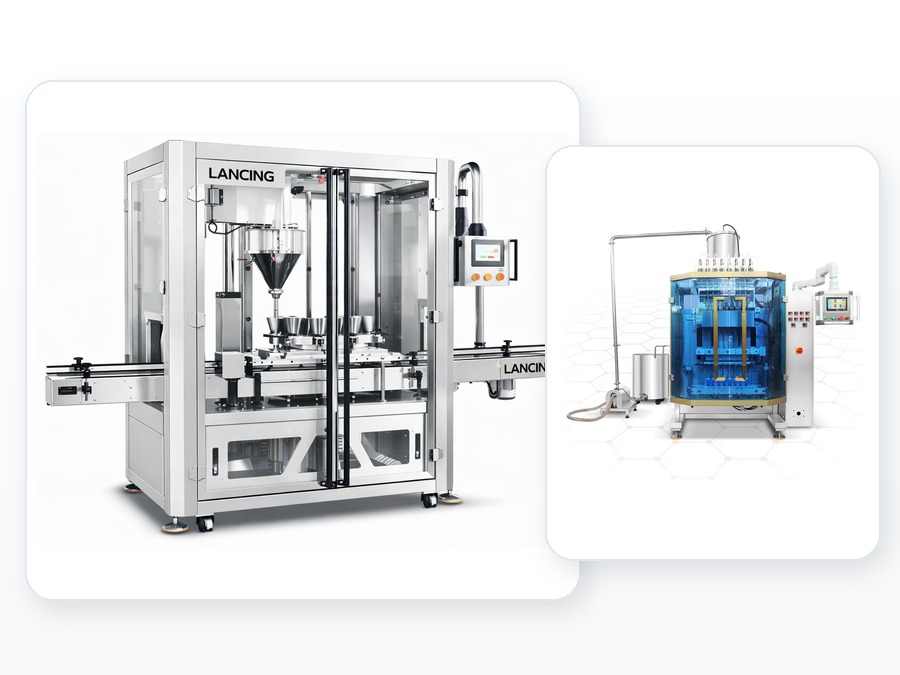
Why peak fill speed is not enough
A quoted dosing rate does not automatically become finished packs per hour. Product feed, container presentation, capping, induction sealing, labelling, coding and inspection can all reduce actual throughput.
Powder behaviour can also change output. Settling, dust control, vibration, refill interruptions and sample weighing may create pauses that are invisible in a simple machine-speed comparison.
A capacity study helps decide whether the project needs a faster filler, better container handling, more accumulation, a different pack format or a change in operating method.
How to map the process
List every step from product arrival to finished case. Include loading powder, feeding hopper, container loading, filling, weight checks, closing, labelling, coding, inspection and packing.
Estimate changeover and cleaning time as well as running time. A high peak rate may still perform poorly if changeover dominates the working day.
Identify operator touches. Every manual action has a practical limit and should be assessed against the target output.
Using the study for machine selection
If the bottleneck is filling, a different filler or multiple heads may be relevant. If the bottleneck is closing, labelling or packing, buying a faster filler alone may not help.
The study also helps decide whether a semi-automatic, inline automatic or VFFS route is the most practical first step.
Key decisions to make before specification.
| Line step | Bottleneck signs | Possible response |
|---|---|---|
| Product feeding | Hopper runs low or refill interrupts dosing | Larger hopper, screw feeder or loader review |
| Filling | Fill cycle slower than target or product needs settling | Auger setup, vibration, multiple heads or pack format review |
| Closing and sealing | Filled packs wait after filler | Capper, sealer or operator method review |
| Final packing | Finished packs queue before cases or trays | Accumulation, labour layout or case packing review |
Information to gather before you enquire.
This checklist helps Lancing review the project quickly and avoids a machine recommendation based on incomplete product or pack information.
- Target finished packs per hour
- Shift length and planned changeovers
- Product refill method
- Container and closure supply method
- Manual touches per pack
- Downstream capping, sealing, labelling and packing constraints
Common questions about this topic.
Should capacity be measured by fills per minute?
Finished packs per hour is usually more useful because it includes checks, closures, labels and interruptions.
Can a faster filler reduce output?
It can if downstream processes cannot accept the filled packs or if dust and settling problems increase rejects.
Is a capacity study useful for small lines?
Yes. It can show whether the first investment should be a filler, conveyor, capper, sealer or packaging-layout change.
Need help specifying a powder filling machine?
Send your product, pack format, fill target and output requirement and Lancing can help compare suitable auger filler options.
Turn the shift requirement into a trial target
Express the customer requirement as good packs over an identified shift, with planned downtime stated separately from running losses. This prevents a maximum filler cycle rate from being mistaken for the output available after replenishment, checking, closing and rejects.
The output planning calculator makes the assumptions explicit. Use that requirement in the line interface and acceptance review; it does not predict that an existing or proposed line will achieve the result.