Planning capping after powder filling.
Powder filling and capping should be planned together when dust, headspace or container stability may affect closure quality.
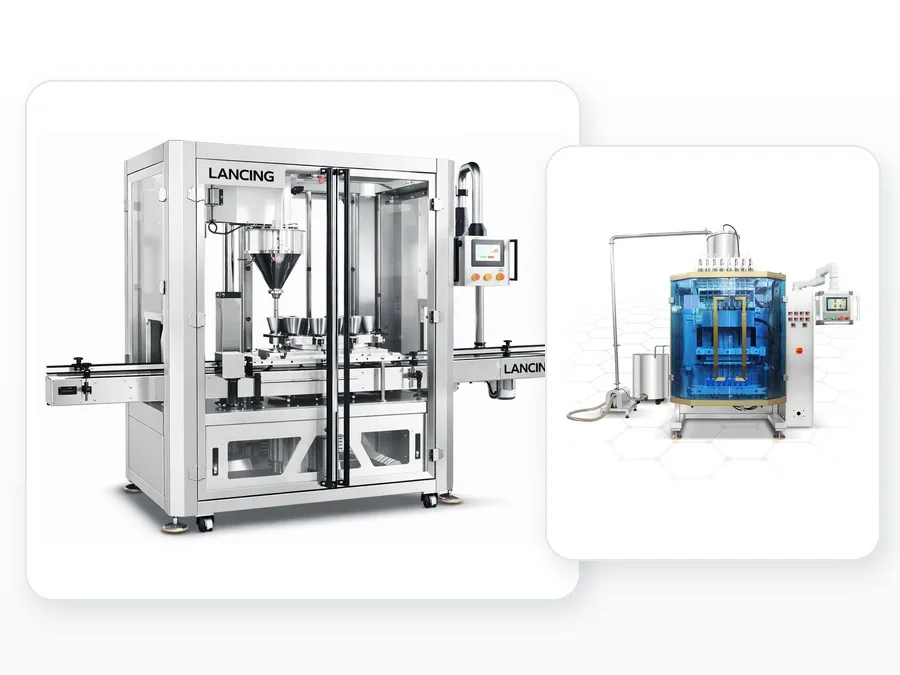
Start with the product, pack and required output.
After filling, a jar or bottle may need time for product to settle before the cap is applied. Dust on the neck or thread can also affect cap application and final presentation.
A joined-up specification considers fill height, capping torque, container transfer, cap feeding and space for inspection. This reduces the risk of solving the filling problem while creating a closing problem.
Details that help narrow the specification
- Container and closure type
- Fill height and headspace
- Dust on neck or thread
- Required capping speed and torque
- Need for induction sealing or labelling after capping
Points to confirm before choosing equipment.
These checks help compare semi-automatic, automatic and line-integrated options against the way the product will actually be packed.
Provide the container, cap and liner samples and the required output so the cap application method can be reviewed alongside powder filling.
Observe how long the powder needs to settle before cap application, then allow that time in the transfer layout without disturbing the filled pack.
Check that filled containers stay stable and correctly spaced between the filler and capper, including stops and restarts.
Agree the closure application and torque-check method for the actual container and cap. Include powder on the rim or threads in the trial checks.
Common questions from machinery buyers.
Can a powder filler feed directly into a capper?
Yes, if container handling, fill settling and line speed are planned correctly.
Does powder dust affect capping?
It can. Dust may collect on threads or sealing surfaces.
What details help specify the capper?
Send container samples, cap type, required speed and any torque requirement.
Send the product and pack details.
We can help compare the auger filler, powder feed and line options that fit your production requirement.