Dust and safety
Sugar dust should be considered in the wider workplace dust-risk assessment before equipment is finalised.
Specify sugar and sweetener powder filling around particle size, dust, caking, pack format, target weight and the wider dust-risk assessment for the filling area.
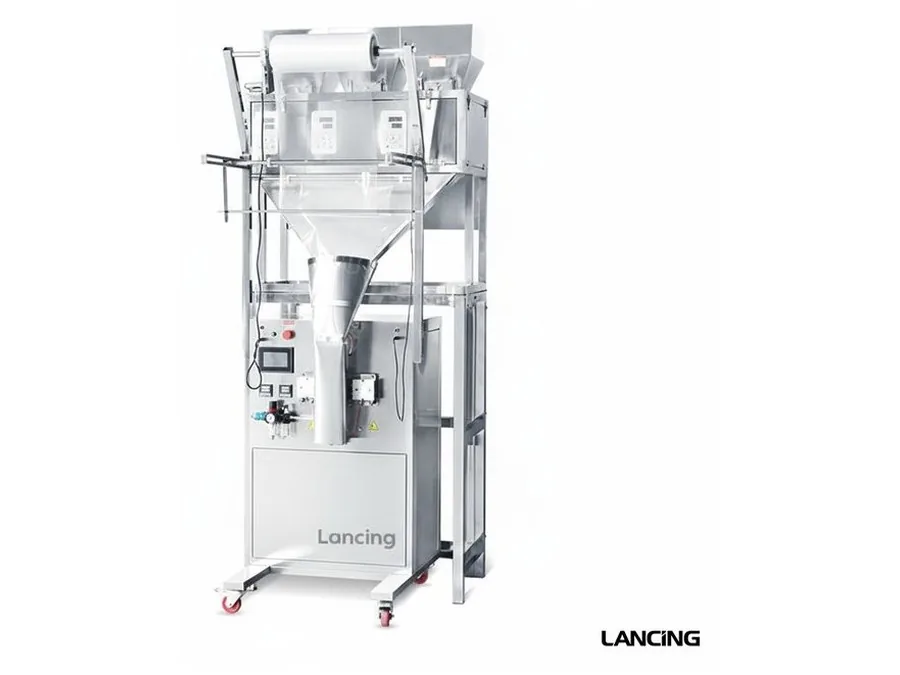
Sugar powder filling should start with the exact product form: icing sugar, caster sugar, granulated sugar, sweetener blend or bakery mix. The powder’s dust, bulk density, caking tendency and target pack format can all change the auger, feeding, extraction and weighing approach.
Fine combustible dusts can create additional safety questions, so dust behaviour, extraction and the site DSEAR assessment should be reviewed before assuming a standard filler is suitable.
The same product name can behave differently by supplier, batch, storage condition, pack format and output target.
| Factor | What to check | Why it matters |
|---|---|---|
| Icing sugar | Very fine powder, often dusty and prone to airborne release. | Review extraction, cleaning access and product cut-off carefully. |
| Granulated sugar | More granular flow, but still needs pack and dosing trials. | May suit different dosing options depending on fill weight and pack. |
| Sweetener blends | Can contain different particle sizes or anti-caking agents. | Blend segregation and bulk density changes should be checked. |
| Bakery mixes with sugar | Often include starch, flour, flavours or inclusions. | Tooling and agitation need testing with the full blend, not one ingredient. |
Sugar dust should be considered in the wider workplace dust-risk assessment before equipment is finalised.
Storage, humidity and hopper dwell time can affect flow into the auger.
Filled-pack verification should reflect how the product will be sold and labelled.
These answers are written to help production, engineering and procurement teams prepare a realistic enquiry.
An auger filler may be suitable for icing sugar, but the fine dust, caking tendency and bulk density should be tested with the intended pack. Dust extraction, cleaning access and final weight checks are usually important parts of the specification.
Some fine sugar dusts can be combustible. Whether DSEAR controls are required depends on the product data, dust cloud or deposit risk and the workplace assessment. The equipment specification should follow the competent site assessment.
Not always. Granulated sugar may be compared with weigh filling, cup filling or auger dosing depending on the target quantity, pack format and required accuracy. The product should be tested before the dosing method is fixed.
Sugar powders can be reviewed for jars, tubs, pouches, sachets, bags and buckets, but the correct route depends on product flow, dust, target weight, sealing method and output requirement.
These links support the safety or regulatory points that should be reviewed by the duty holder or competent advisor.
Include product samples, fill target, pack format, target output and any cleaning, dust-control, sealing, coding or integration requirements.