Dust at loading
Bag tipping, hopper loading and filling may need containment or extraction depending on the product and site.
Plan filling machinery for flour, baking mixes, dry cake blends, starches and ingredient powders where dust, allergens, changeover and pack volume affect the specification.
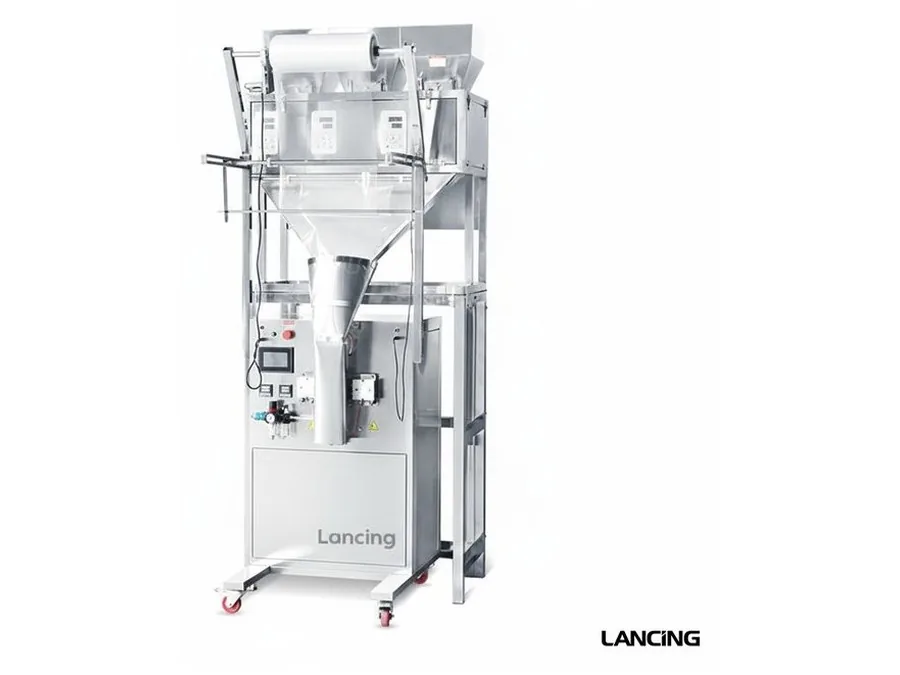
A bakery mix powder filling machine should be specified using the real blend, pack size and cleaning requirement. Flour and baking mixes can be dusty, low density or mixed with different particle sizes, so a generic powder filler recommendation may miss changeover, allergen and settling issues.
Auger dosing can work well for many flour and bakery-mix applications, but trials should include normal storage condition, target fill weights and the planned closing or sealing method.
These factors decide whether a compact, semi-automatic, automatic or integrated filling line should be compared.
| Question | What to confirm | Why it affects the filler |
|---|---|---|
| Is the powder flour-like or blended? | Test the final production blend, not only the base flour. | Inclusions, sugar or starch can change flow and segregation. |
| How many recipes will run? | List all recipes and cleaning boundaries. | Frequent changeover may require easier access and documented cleaning checks. |
| What pack will be filled? | Send bags, tubs or jars with actual dimensions. | Pack opening and headspace change nozzle, support and closure needs. |
| How will legal weight be controlled? | Define checkweighing or sample-weighing rules. | Selling by weight requires a suitable verification method. |
Bag tipping, hopper loading and filling may need containment or extraction depending on the product and site.
Milk, gluten, nut or other allergen boundaries should be defined before equipment access is approved.
Some mixes settle after filling, so closure and pack presentation should be verified under real handling conditions.
These answers help decide whether an auger-based route is worth testing for the product and pack.
An auger filler can often fill flour and cake mixes, but the actual blend should be tested. Dust level, bulk density, particle mix, oil content and pack format can all change tooling, hopper agitation and the checking method.
Small inclusions may be manageable, but large, fragile or segregating particles can make auger dosing less suitable. Provide the full blend so the trial checks whether the machine delivers a representative dose rather than just the powder fraction.
Cleaning requirements depend on the recipe, allergen status, colour, flavour and production rules. The machine specification should consider tool access, removable parts, dry or wet cleaning expectations and how the site verifies changeover.
The best pack depends on the target weight, product density, shelf presentation and closing method. Bags and pouches require seal control, while tubs and jars add capping, induction sealing and labelling considerations.
Include product samples, fill target, pack format, target output and any cleaning, dust-control, sealing, coding or integration requirements.