Test the real blend
Use production-representative seasoning rather than a single ingredient substitute.
Specify auger filling for seasoning sachets around dose size, powder flow, pack opening, seal contamination and the way the sachet or pouch is presented.
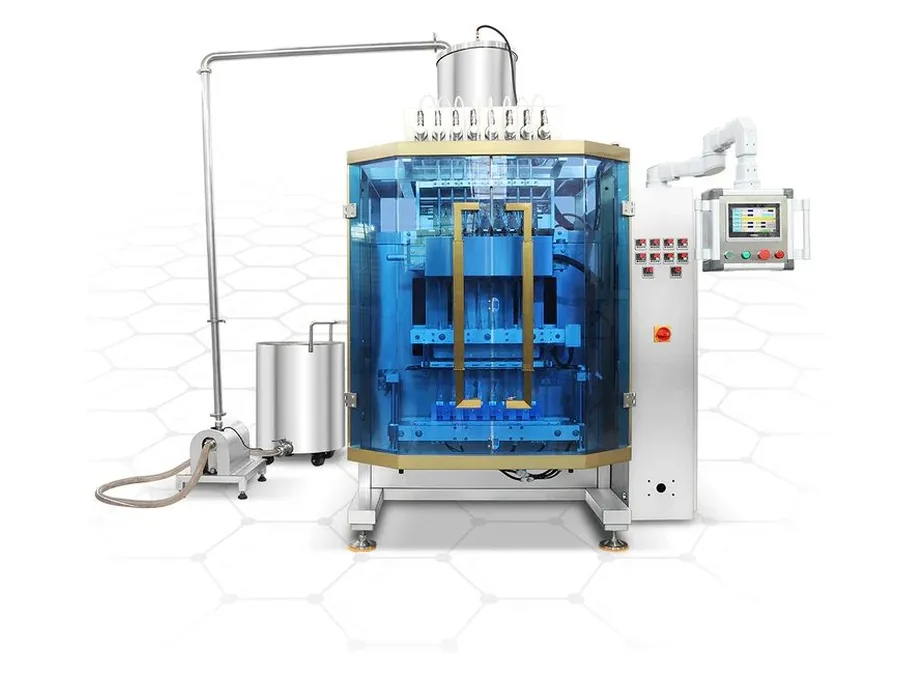
Seasoning sachet filling usually depends on small-dose repeatability, dust control and the ability to keep powder away from the heat-seal or closure area. Auger filling can be suitable for many powdered seasonings, but the pack opening and product behaviour should be tested together.
Blended seasonings may contain salt, herbs, spices and carriers with different particle sizes, so the trial should also check blend separation, hopper behaviour and appearance in the finished sachet.
The same seasoning can behave differently depending on grind size, salt content, carrier and humidity.
| Specification area | What to check | Why it matters |
|---|---|---|
| Dose size | Small fill weights and target tolerance | Determines whether tooling, scale checks or sampling need more control |
| Seal zone | Powder near the closing area | Loose powder can affect the finished pack and reject rate |
| Blend stability | Different particle sizes in the mix | Helps identify segregation risks during hopper loading and dosing |
| Cleaning | Strong flavours, allergens or colour carryover | Changes changeover time and contact-part access |
Use production-representative seasoning rather than a single ingredient substitute.
Assess the pack after filling and closing, not just the fill weight.
Flavour, colour and allergen changes may matter more than machine speed.
These answers are written to help production, engineering and procurement teams prepare a realistic enquiry.
An auger filler can fill many seasoning sachets when the dose size, pack opening and powder behaviour are suitable. The important checks are repeatable dosing, cut-off at the nozzle and whether dust reaches the seal area.
Seasoning mixes can separate when heavier particles settle and lighter flakes or powders remain higher in the hopper. Agitation, hopper level control and gentle handling should be reviewed during trials.
A sachet line and a pouch line can use similar dosing principles, but the pack handling, filling access and closing method may differ. The quotation should state whether the pack is roll-film, pre-made or hand-presented.
A useful trial should include representative product, empty packs, target weight, finished pack requirements and any allergen or cleaning constraints.
Include product samples, fill target, pack format, target output and any cleaning, dust-control, sealing, coding or integration requirements.