Review SDS details
Product safety information helps guide dust and material choices.
Plan ceramic and mineral powder filling around dust, abrasiveness, bulk density, container choice, contact-part wear and how the product will be handled before and after filling.
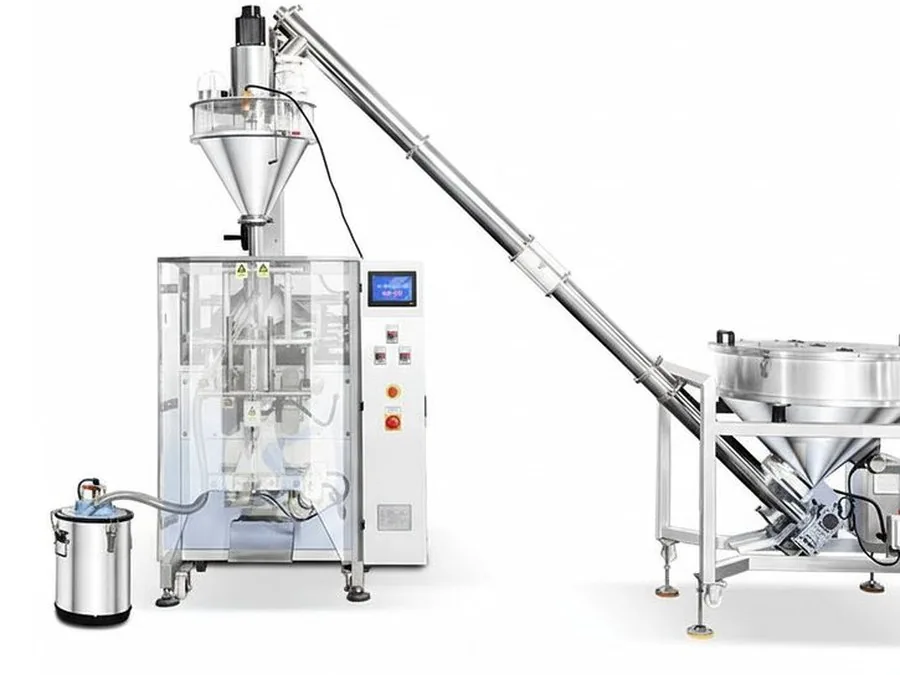
Auger filling may be suitable for some ceramic and mineral powders, but the decision depends on abrasiveness, dust level, flow behaviour, target weight and pack format. The specification should review wear parts and cleaning before committing to a machine route.
Products in this group can vary widely, so a product sample and safety data information are important before trials and line design.
Ceramic and mineral products can be free-flowing, dusty, abrasive or prone to settling.
| Specification area | What to check | Why it matters |
|---|---|---|
| Abrasiveness | Whether the powder wears tooling or contact parts | Influences materials, maintenance and change-part planning |
| Dust hazard | Dust generation during loading and filling | Requires site-specific exposure and housekeeping review |
| Settling | Pack volume before and after handling | Affects headspace, visual fill and closing |
| Pack strength | Rigid or flexible container requirements | Changes support, clamping and discharge planning |
Product safety information helps guide dust and material choices.
Abrasive powders may need planned spares and inspection intervals.
Product name alone is not enough to judge flow or settling.
These answers are written to help production, engineering and procurement teams prepare a realistic enquiry.
An auger filler may be able to fill some abrasive powders, but abrasive products can increase wear on screws, tubes and product-contact surfaces. Suitability should be checked with real samples and maintenance expectations.
Dust extraction may be needed where ceramic or mineral powders generate airborne dust during hopper loading, dosing or container handling. The final approach should be based on product data and site assessment.
Mineral powders may be filled into jars, tubs, pails, sacks or bags depending on weight and handling. The pack opening and support method should be supplied before quotation.
Provide product samples, SDS information, target weight, container format, expected output and any known wear, dust or cleaning concerns.
Include product samples, fill target, pack format, target output and any cleaning, dust-control, sealing, coding or integration requirements.