Watch refill events
Check whether weights change after the hopper refills.
Use hopper level control to keep the auger filler supplied without creating overfill, starvation, bridging or unnecessary dust during refill.
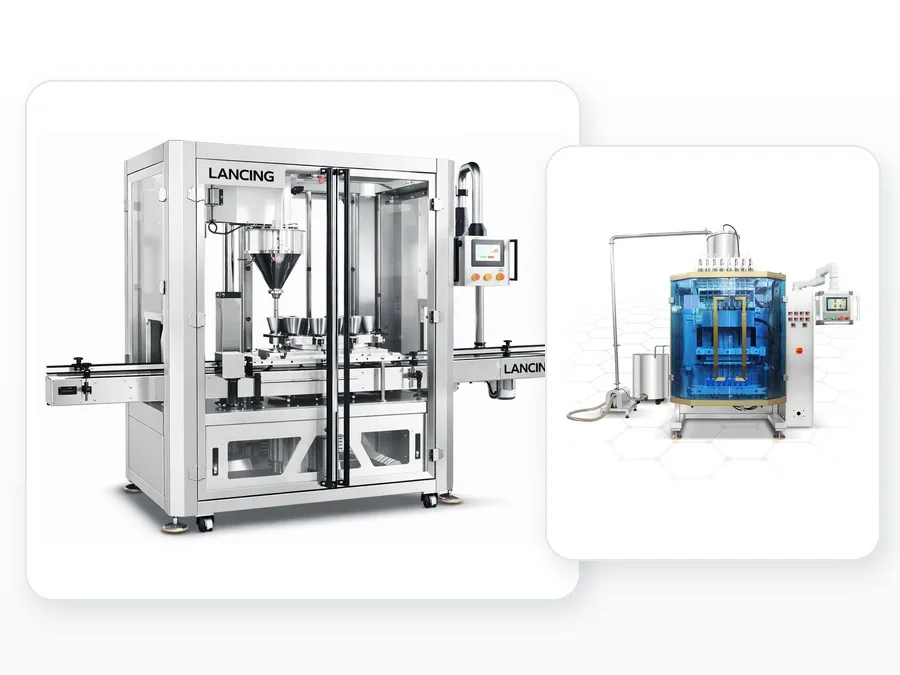
Hopper level sensors help keep the powder supply within a workable range. Too little product can starve the auger, while uncontrolled refill can change head pressure, dust release or segregation, depending on the powder.
The best approach depends on powder flow, hopper design, feeder type, cleaning requirements and whether the line should stop, alarm or call for product automatically.
Level control should be treated as part of the dosing system, not a separate accessory.
| Specification area | What to check | Why it matters |
|---|---|---|
| Low-level detection | When the hopper is near starvation | Prevents misfills and unstable dosing |
| High-level detection | When refill should stop | Prevents overfilling, dust and bridging |
| Feeder control | How a screw feeder or vacuum loader starts | Links hopper demand to upstream equipment |
| Cleaning access | Sensor position and residue risk | Affects changeover and maintenance |
Check whether weights change after the hopper refills.
Dust or product buildup can affect some sensor types.
An alarm is only useful if the line response is clear.
These answers are written to help production, engineering and procurement teams prepare a realistic enquiry.
Not every auger filler needs automatic level sensors, but they are useful when consistent supply, automatic refill or low-level alarms are needed. The decision depends on product, output and operating method.
Hopper level can affect fill weight for some powders because head pressure, aeration and compaction can change. Trials should check whether refill events influence the accepted weight range.
The best sensor type depends on powder dust, adhesion, dielectric properties, cleaning needs and hopper design. It should be chosen for the actual product rather than only the machine.
A screw feeder can be controlled to refill the hopper between low and high levels. The timing should avoid starvation, overfill and unnecessary dust release.
Include product samples, fill target, pack format, target output and any cleaning, dust-control, sealing, coding or integration requirements.