Powder filling machines for jars, bottles, tubs, pouches and bags.
Get practical guidance on powder filling machinery for dry products where accuracy, dust control and pack presentation all matter.
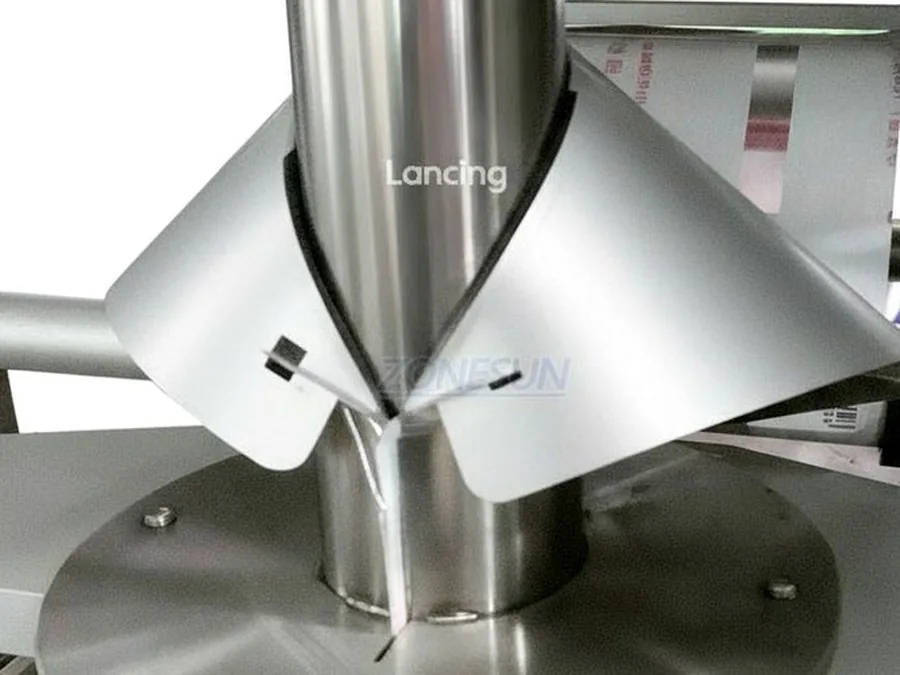
Match the filler to flow, dust and accuracy.
Powder filling is not only about hitting a target weight. The way the powder behaves in the hopper and at the filling point affects repeatability, dust control, product loss and line speed.
Auger fillers are commonly used for controlled dosing, while weigh feedback, screw feeding, container indexing and downstream checkweighing can be added when the process needs tighter control.
Useful details to confirm
- Fine, dusty, cohesive and free-flowing powders
- Food ingredients, supplements and chemical powders
- Jar, bottle, tub, pouch and bag filling
- Dust containment and settling considerations
- Advice on upstream feeding and downstream closing
Important points before choosing equipment.
These points help narrow the machine, feed, weighing and line-integration choices before a detailed quotation is prepared.
Fine or aerated powders need careful fill-head planning to reduce dust and product escape.
Blends can separate or change density, so trial details and sample behaviour are important.
Filling should be planned with the capping, sealing, labelling and coding stages that follow.
Common questions about this type of powder filling.
Which powder filling machine is best?
The best option depends on the powder, fill weight, pack style, output target and accuracy requirement.
Can powder filling machines handle dusty products?
Yes, but dust extraction, fill nozzle design, settling time and enclosure choices should be reviewed.
Can Lancing help with a full powder filling line?
Yes. Projects can include filling, feeding, capping, sealing, labelling, coding and inspection support.
Send product, pack and output details.
We can help compare the auger filler and line options that fit your production requirement.