Check blend stability
Ask whether the powder contains carriers, minerals, vitamins or flavour components.
Specify powder filling for animal nutrition additives, premixes and supplements around blend stability, dust, fill weight, pack format and batch traceability.
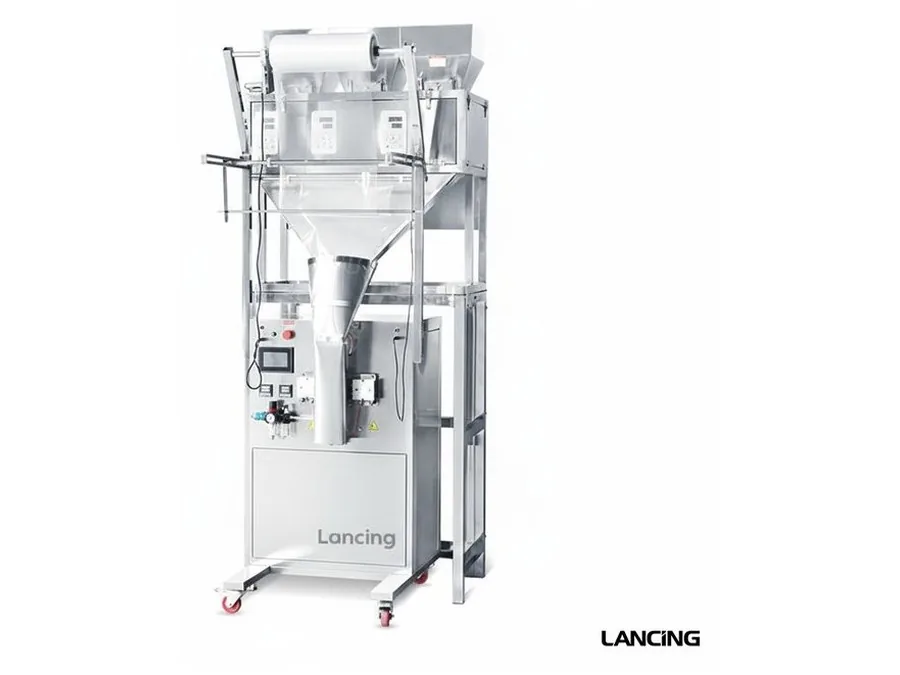
Animal feed additive filling should be planned around blend stability, dust, weight control and pack format. Auger filling may be suitable for many powders, but premixes should be checked for segregation during hopper loading and repeated dosing.
The line should also account for batch identification, container handling, cleaning between formulations and any downstream sealing, labelling or coding requirements.
Animal nutrition products often combine commercial weighing requirements with blend and traceability checks.
| Specification area | What to check | Why it matters |
|---|---|---|
| Blend uniformity | Whether different particles separate | Important for consistent dose in each pack |
| Dust control | Dust at loading and filling points | Affects housekeeping and operator exposure planning |
| Batch coding | Traceability on labels, bags or tubs | Supports product identification and production records |
| Container choice | Tub, pouch, sack or pail | Changes filling access and downstream closing |
Ask whether the powder contains carriers, minerals, vitamins or flavour components.
Batch, date and product-code requirements influence downstream equipment.
A single filler setup may not suit very different pack openings and weights.
These answers are written to help production, engineering and procurement teams prepare a realistic enquiry.
An auger filler can fill many animal feed additives and premixes if the powder flows consistently and the pack format gives suitable access. Trials should check blend stability and weight repeatability.
Segregation matters because a premix may contain components with different particle size or density. Handling, hopper agitation and dosing should be checked so the packed product remains representative.
Feed additive powders may be packed into tubs, pouches, sacks, bags or pails. The best machine route depends on fill weight, pack opening, output and downstream closing.
Useful details include the formulation type, pack sizes, target output, dust level, batch-coding requirement and whether the product is changed frequently.
Include product samples, fill target, pack format, target output and any cleaning, dust-control, sealing, coding or integration requirements.