Insufficient sample quantity
The trial ends before hopper refilling, long-run build-up or product-batch variation can be observed.
An auger filler trial should be scaled into production by reproducing the important production conditions: representative powder batches, real packs, normal hopper replenishment, expected run duration, stoppages, downstream handling and agreed acceptance checks. A short successful sample run is useful evidence, but it must be translated into a documented operating and verification plan.
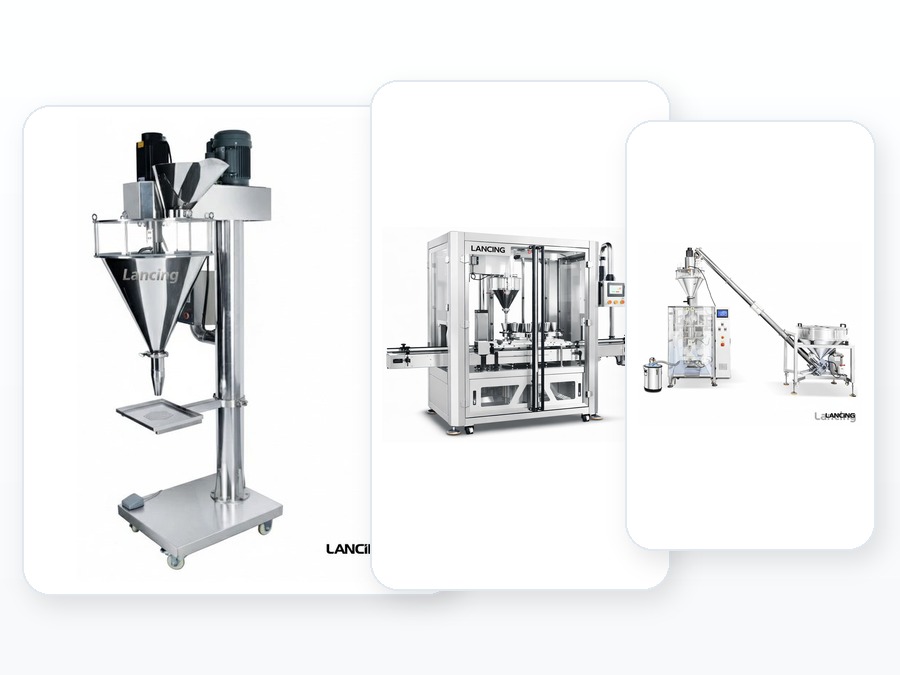
A bench or factory trial can confirm that a powder can be dosed and that the selected pack can be presented. Production adds product replenishment, operator interventions, line stops, cleaning, environmental changes and upstream or downstream constraints. Those factors can reveal issues that a small uninterrupted sample never reaches.
Define the purpose of each trial before it starts. One trial may compare dosing methods, another may establish tooling, and another may verify the agreed machine at factory acceptance testing. Do not combine all decisions into an undefined demonstration and then treat a few acceptable packs as proof of every production condition.
Scale-up works best when the trial record becomes part of the user requirement specification, factory acceptance test, site acceptance test and production check plan. The accepted settings, samples and limitations should remain traceable through that handover.
Use the sequence as a project checklist, then confirm the final arrangement with representative product and packs.
| Stage | What to check |
|---|---|
| Define the question | State whether the trial is assessing product suitability, tooling, fill quality, dust, pack handling, output or a complete line sequence. |
| Use representative materials | Supply normal and challenging product batches, production-intent packs and the real closure, film or label where it affects the result. |
| Reproduce process disturbances | Include hopper refill, stops, restarts, operator actions, product dwell and downstream delays that are expected in production. |
| Record settings and results | Identify tooling, recipes, machine state, product batch, environmental observations and individual quality results. |
| Agree acceptance criteria | Define what will be measured, the acceptable outcome, the sample method and how deviations will be resolved. |
| Transfer into FAT and SAT | Carry the trial assumptions into factory and site testing so installation does not silently change the basis of selection. |
The trial ends before hopper refilling, long-run build-up or product-batch variation can be observed.
A similar jar or pouch hides real access, static, opening, sealing or stability issues.
A demonstration relies on operator intervention that is not available at the target production rate.
The team agrees that the machine “ran well” without recording fill, pack and process criteria.
These answers describe the practical variables that should be checked before a machine or process is accepted.
A short trial can differ from production because it may not include hopper refilling, long product dwell, environmental change, tooling warm-up, operator fatigue, downstream stoppages or normal batch variation. It proves the conditions actually tested, not every condition the production line will encounter.
Use the trial to identify critical variables, then challenge those variables deliberately in FAT, SAT and production qualification. This is more reliable than simply extending the run without a clear test purpose.
The trial should reproduce variables that can change dosing or pack quality: powder batch and condition, hopper loading, dwell time, room condition where relevant, pack tolerances, fill range, start-stop sequence, operator actions and downstream handling. The selected set should reflect the actual project risk rather than a generic checklist.
For pouches, include opening and sealing. For bottles, include indexing, rim cleanliness and closure. For integrated lines, include handover timing between machines.
More than one product batch should be tested when normal batch variation could change flow, density, moisture, particle size or blend behaviour. Testing only the easiest batch can produce a machine setting that is too narrow for routine production. The product owner should identify the expected variation and provide representative samples.
Where several products will use one machine, group them by behaviour and test the challenging members rather than assuming the largest or smallest fill is automatically the worst case.
Record the trial objective, product and pack identification, machine and tooling configuration, settings, sequence, individual measurements, observations, photographs where approved, deviations and agreed actions. Acceptance criteria should state what is measured, the test method, the required result and who accepts it.
Carry the record into the factory acceptance test and site acceptance test so later changes are visible and controlled.
Send the product range, sample quantities, production packs, target output and acceptance priorities so Lancing can plan a useful trial rather than a generic demonstration.