Rigid packs
Jars and tubs can give a wider opening and simpler pack support, but capping, induction sealing and labelling still need planning.
Compare auger filling routes for cocoa, hot-chocolate powder, drink mixes and similar low-density powders packed into jars, tubs, sachets, pouches or bags.
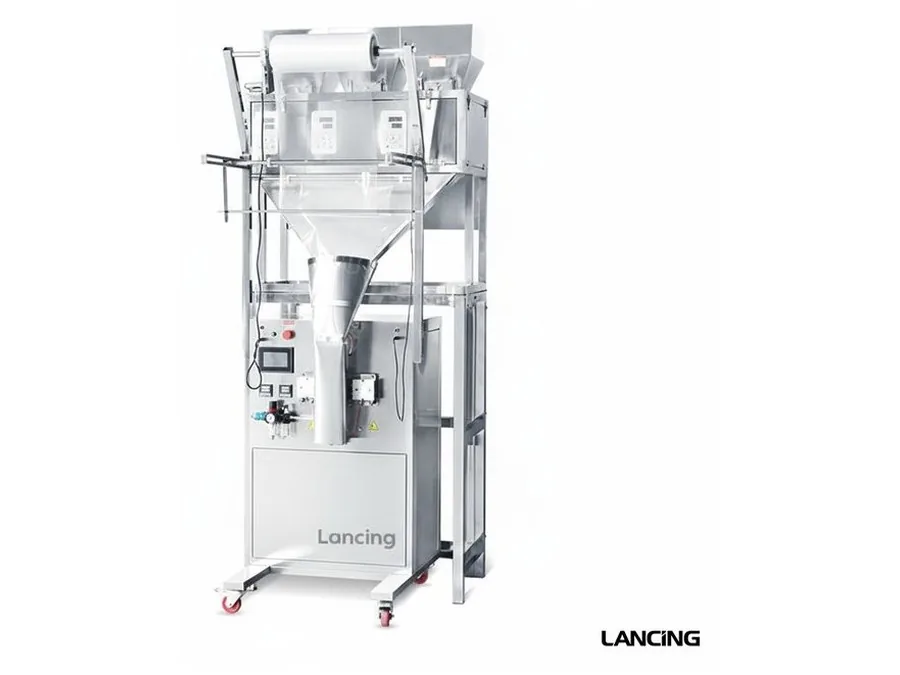
Cocoa and drink powders often need attention to dust, low bulk density, settling and blended ingredients. Auger filling may be suitable, but the final filler choice depends on whether the powder is free-flowing, cohesive, aerated or mixed with inclusions such as sugar, milk powder or flavour particles.
The pack should be tested as well as the powder. A powder that fills acceptably into a wide-mouth jar may create seal contamination or poor headspace control in a sachet or stand-up pouch.
These checks help decide whether auger dosing, weigh filling or a combined line arrangement should be compared.
| Question | What to confirm | Why it affects the filler |
|---|---|---|
| Does the product contain several particle sizes? | Review whether sugar, cocoa, milk powder or flavour particles segregate during handling. | Segregation can affect dose consistency and finished-pack quality. |
| Is the product low density? | Compare target weight with the usable pack volume and settling behaviour. | A light powder may need more headspace than expected. |
| Is the pack heat sealed? | Observe powder escape near the fill tube and seal area. | Dust in the seal zone can lead to rejects or extra extraction requirements. |
| Will allergens be present? | Identify milk, nut or other allergen changeovers. | Cleaning access and validated changeover expectations affect equipment selection. |
Jars and tubs can give a wider opening and simpler pack support, but capping, induction sealing and labelling still need planning.
Sachets and pouches require seal-zone control and a film or pre-made pouch route matched to product dust.
Multiple flavours or blends make changeover, cleaning and recipe control more important than a single-product trial.
These answers help decide whether an auger-based route is worth testing for the product and pack.
An auger filler can fill cocoa powder when tooling and hopper conditions suit the product. A trial should check dust, cohesive behaviour, density, cut-off and pack headspace because cocoa-based blends can behave differently from free-flowing granules.
Seal contamination is controlled by matching the fill tube, dosing speed, product settling time, extraction and pack movement. The practical answer depends on the powder dust level, the bag width and the sealing system used after filling.
Dust extraction may be needed where cocoa or drink powder escapes during loading, dosing, settling or cleaning. The requirement depends on the amount of dust generated, product safety data and the factory’s own exposure and dust-risk assessment.
One auger filler can often run several flavours if the fill range, tooling and cleaning method are suitable. Changeover should be tested with the hardest-to-clean flavour or colour, not only the easiest product.
Include product samples, fill target, pack format, target output and any cleaning, dust-control, sealing, coding or integration requirements.