Measure output as finished packs per minute, including filling, closing and inspection.
Output planning
How to estimate output from a powder filling machine.
Output is limited by the slowest practical stage in the line, not just the filler speed on a specification sheet.
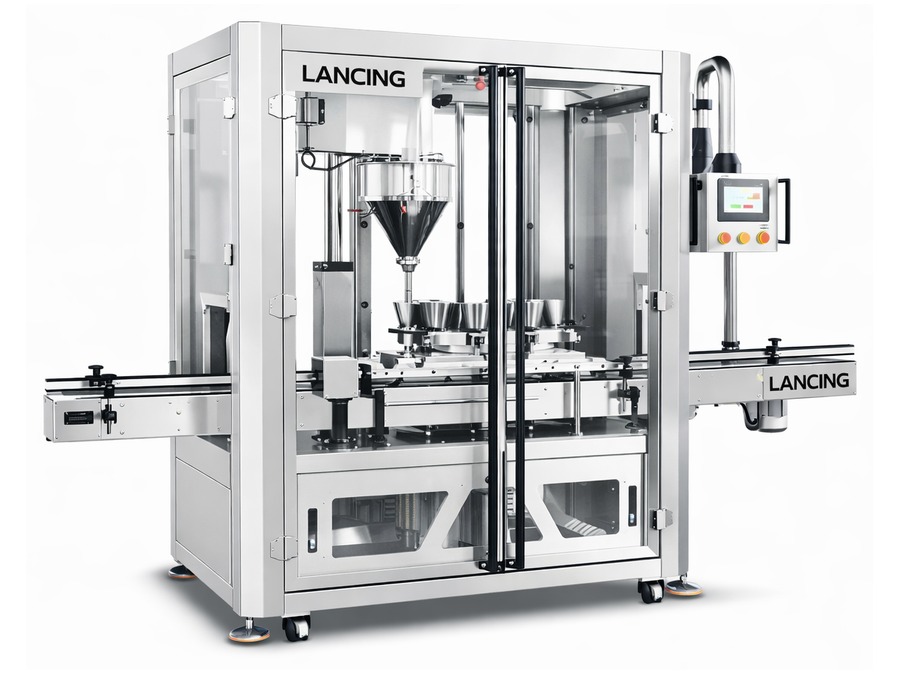
Practical guidance
Start with the product, pack and required output.
The auger may be capable of high cycle speeds, but product flow, fill weight, container handling, settling time and downstream operations can reduce real production output. A realistic target should include complete packs per minute.
For larger fills or dusty powders, the filling cycle may need to be slower to protect accuracy and pack quality. For small fills, container handling and changeover may be the bigger limitation.
Details that help narrow the specification
- Target packs per minute or hour
- Fill weight and product density
- Manual, semi-automatic or automatic handling
- Settling, capping, sealing and labelling time
- Number of shifts and changeovers
Buying decisions
Points to confirm before choosing equipment.
These checks help compare semi-automatic, automatic and line-integrated options against the way the product will actually be packed.
Confirm this point early so the final recommendation matches your product, pack and production target.
Confirm this point early so the final recommendation matches your product, pack and production target.
Confirm this point early so the final recommendation matches your product, pack and production target.
Quick answers
Common questions from machinery buyers.
Why is output lower than the filler cycle rate?
Because the line also includes container loading, settling, closing, inspection and changeover.
Can more filling heads increase output?
Potentially, if the product feed and pack handling can keep up.
What output figure should I ask for?
Ask for finished packs per minute or hour under your expected production conditions.
Send the product and pack details.
We can help compare the auger filler, powder feed and line options that fit your production requirement.
Related powder filling topics
Advice overviewAuger filler machinesPowder filling applicationsBuyer guideEnquiry checklistRequest advicePowder filling options for small batches and flexible productionMoving from hand filling to an auger powder filling machineSite planning before installing a powder filling machineCommissioning an auger powder filling machine