Make sure product reaches the auger consistently without bridging, compaction or operator bottlenecks.
Automation planning
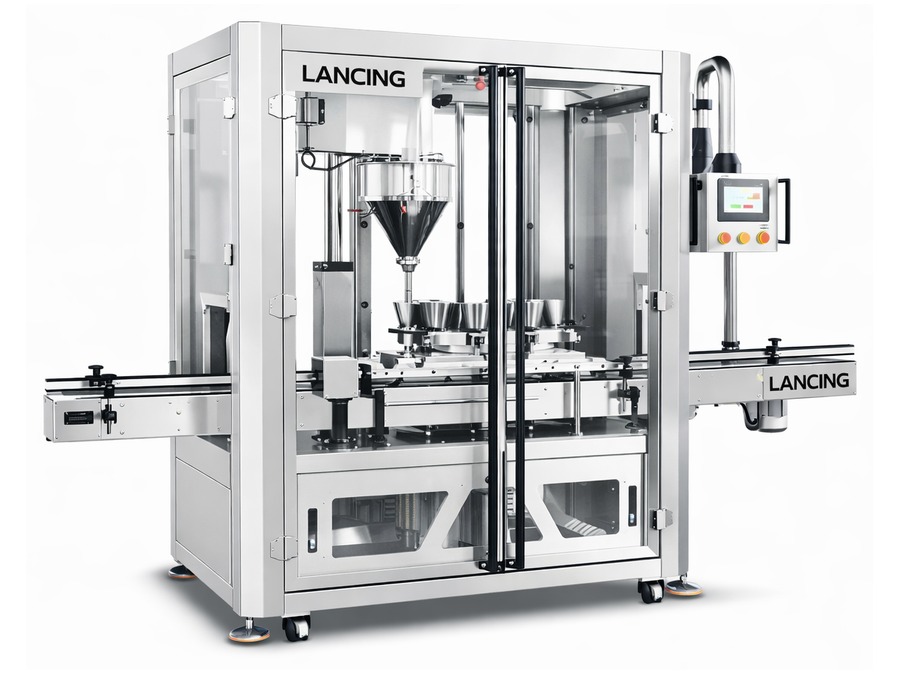
Moving from hand filling to an auger powder filling machine.
The best first machine should solve the current bottleneck without blocking future automation.
Practical guidance
Start with the product, pack and required output.
Hand filling becomes difficult when output, consistency, dust or labour cost starts to hold production back. The first automation step may be a semi-automatic auger filler, or it may be a fuller line if containers and closures are already standardised.
Before buying, define the current bottleneck. It may be weighing, filling, cleaning, capping, labelling or operator handling. This helps avoid purchasing a filler that shifts the problem further down the line.
Details that help narrow the specification
- Current packs per hour and target output
- Number of operators involved
- Fill-weight variation from hand filling
- Dust, spillage and cleaning issues
- Planned pack formats for the next stage
Buying decisions
Points to confirm before choosing equipment.
These checks help compare semi-automatic, automatic and line-integrated options against the way the product will actually be packed.
Plan downstream handling at the same time as the filler so the finished pack is reliable.
Confirm this point early so the final recommendation matches your product, pack and production target.
Plan downstream handling at the same time as the filler so the finished pack is reliable.
Quick answers
Common questions from machinery buyers.
When should I stop hand filling?
When labour, consistency, dust or output prevents practical production growth.
Is semi-automatic a good first step?
Often yes, especially for flexible products and lower volumes.
Can automatic lines still need operators?
Yes. Operators may load product, manage packs, check quality and handle changeovers.
Send the product and pack details.
We can help compare the auger filler, powder feed and line options that fit your production requirement.
Related powder filling topics
Advice overviewAuger filler machinesPowder filling applicationsBuyer guideEnquiry checklistRequest adviceSite planning before installing a powder filling machineCommissioning an auger powder filling machineMaintenance considerations for auger powder filling machinesHygienic design considerations for powder filling machines