Confirm this point early so the final recommendation matches your product, pack and production target.
Comparison
Auger filler or cup filler: which dosing method fits the product?
Cup fillers are simple for some free-flowing products, while auger fillers give more controlled dosing for many powders.
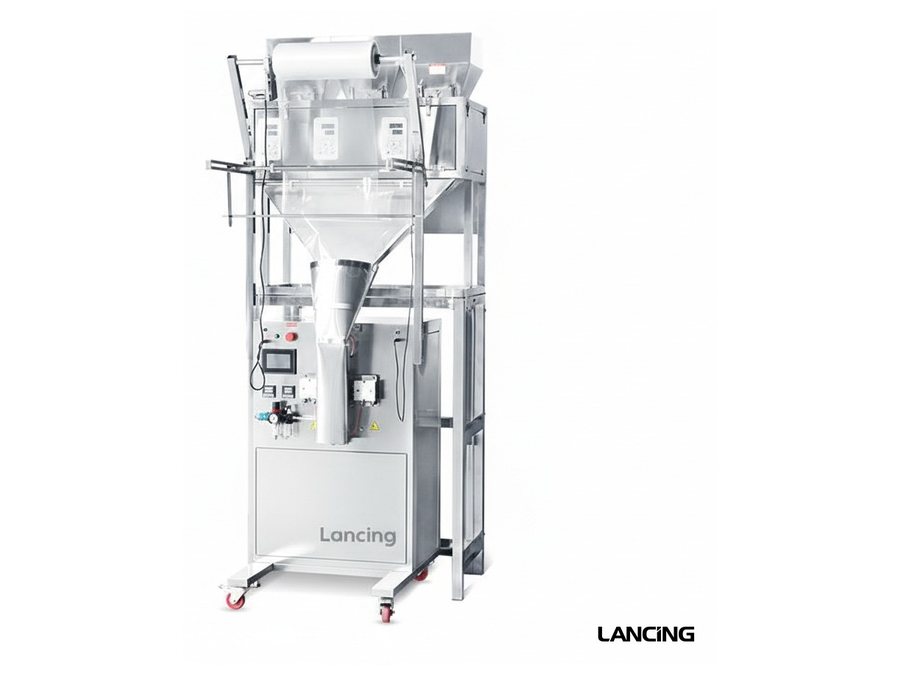
Practical guidance
Start with the product, pack and required output.
Cup filling doses a fixed volume using cups. It can be effective for free-flowing products with stable density, but it may be less suitable for dusty, cohesive or fine powders.
Auger filling offers controlled product discharge through a screw and can be more adaptable for powders with different fill weights. The choice should be confirmed against product flow, accuracy and pack presentation.
Details that help narrow the specification
- Product flow and particle size
- Bulk density stability
- Fill-weight range
- Dust or bridging risk
- Changeover between products
Buying decisions
Points to confirm before choosing equipment.
These checks help compare semi-automatic, automatic and line-integrated options against the way the product will actually be packed.
Confirm this point early so the final recommendation matches your product, pack and production target.
Define the target tolerance and whether volumetric dosing, weigh feedback or checkweighing is needed.
Confirm this point early so the final recommendation matches your product, pack and production target.
Quick answers
Common questions from machinery buyers.
Are cup fillers cheaper?
They can be simpler, but suitability depends on the product and accuracy requirement.
When is auger filling better?
For many powders, cohesive materials and controlled fill ranges.
Can both be considered?
Yes. Product testing can show which method is more reliable.
Send the product and pack details.
We can help compare the auger filler, powder feed and line options that fit your production requirement.
Related powder filling topics
Advice overviewAuger filler machinesPowder filling applicationsBuyer guideEnquiry checklistRequest adviceNet weight and gross weight control in powder fillingWhat affects the price of a powder filling machine?What to send when asking for an auger filler quotationSending powder samples for auger filler testing